


































A working reference for structural, construction, and maintenance engineers. What each bridge type is built for, where it fails, and where Power Team, eSync, Hydra-Slide, Foxtrot, and Bolting Systems earn their keep.
Why does this matter
The US owns roughly 621,000 bridges. The 2025 ASCE Infrastructure Report Card grades them a C, with about 42,000 rated in poor condition and an average age above 47 years. That work is going to be done inside seven basic bridge types, and each one has a preferred hydraulic playbook.
Different bridge types, and how Hydraulic Tools are used
1. Beam and girder bridges
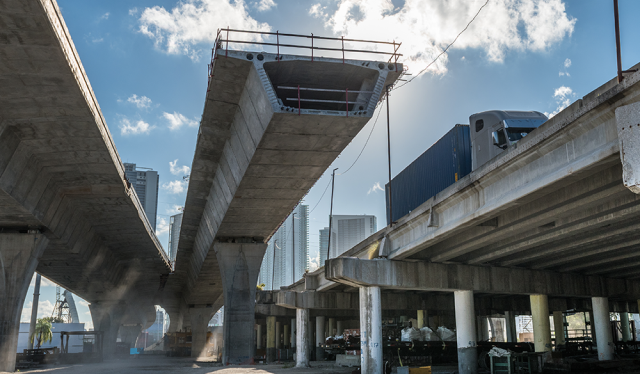
The workhorse. Simply supported or continuous steel and prestressed concrete girders carry the deck to piers and abutments. Most highway overpasses and interchange ramps in North America are built this way. Spans typically run 40 to 200 ft.
Where hydraulics change the job: bearing replacement, deck jacking, and post tensioning. Four to eight point synchronized lifts using Power Team RD and R series cylinders under eSync control hold the deck within 1 mm across the lift so the elastomeric or pot bearings can be pulled and swapped without cracking the diaphragm. On a recent Klickitat County, WA overpass job with Granite Construction, a cordless eSync ES84PRTYXB with a PB43 battery pump package handled the bearing swap without a generator on deck.
2. Truss bridges
Warren, Pratt, and Howe trusses still cover a large share of the older US inventory, especially through-truss river crossings from the 1930s to 1960s. The load path runs through pin and gusset joints that were built with rivets and now get rehabilitated with high strength A490 or A325 bolted connections.
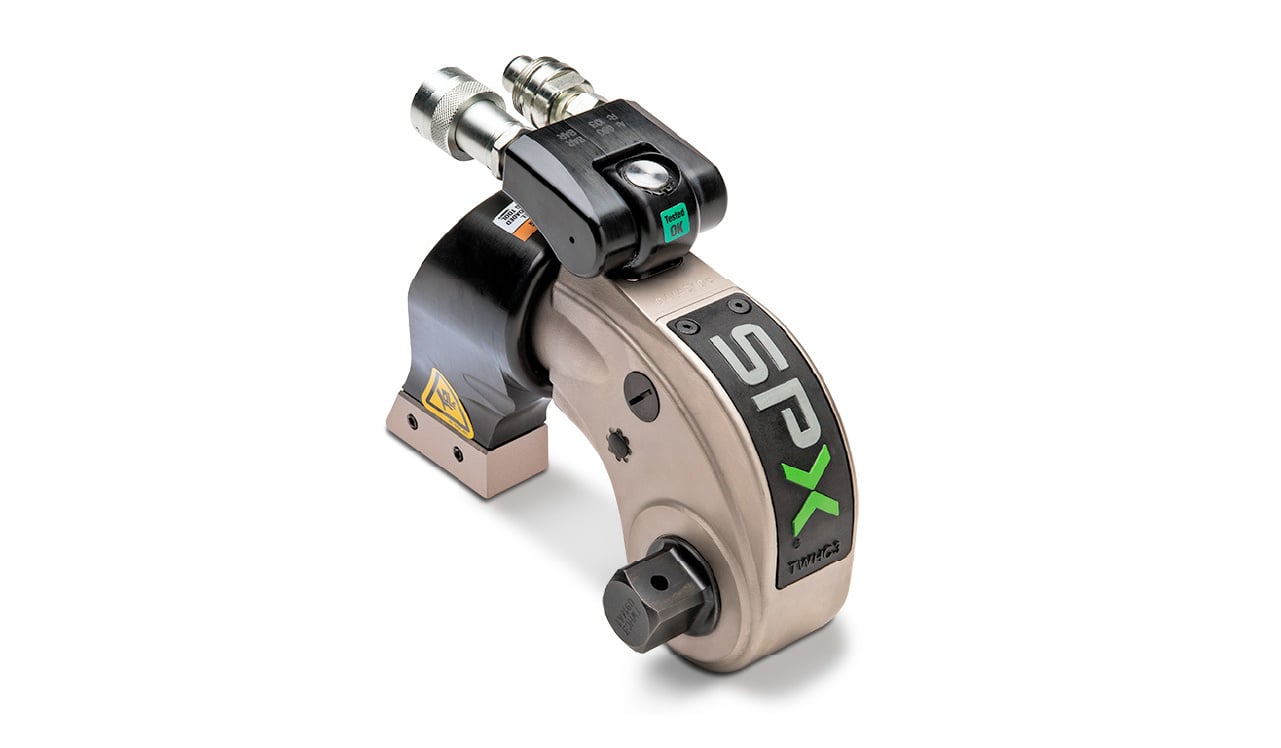
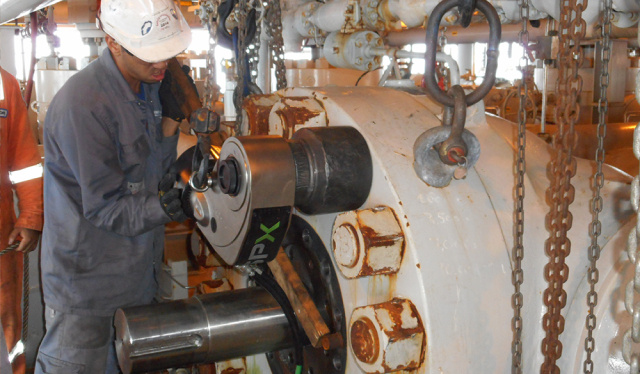
Where hydraulics change the job: gusset plate replacement, member jacking, and controlled bolted joint assembly. Bolting Systems TWHC high cycle wrenches up to 53,000 ft lbs and TWLC low clearance wrenches up to 28,000 ft lbs cover the connection sizes. All wrenches ship with NIST traceable calibration certificates, which is what state DOT inspectors and the fabricator warranty file want to see.
3. Arch bridges
Steel tied arches, concrete deck arches, and masonry arches. Spans from 100 to over 1,700 ft. The thrust line runs through the arch to the abutments, so any settlement or bearing distress at the springings shows up fast in deck geometry.
Where hydraulics change the job: abutment jacking, tie rod tensioning, and rocker bearing replacement. Multi-point Power Team eSync control lift with the wide assortment of cylinders under the deck at the hangers while the crew resets the bearing or shims the pad. On tied arches, hydraulic tensioning stools are used to bring the tie back to design load after member replacement.
4. Cantilever bridges
Balanced cantilever construction lets crews build long spans over water or canyons without falsework. Segments are erected outward from a pier in matched pairs. The Quebec Bridge, the Forth Bridge, and many US Interstate river crossings use this form.
Where hydraulics change the job: segment lifting, post tensioning, and closure pour geometry control. Power Team SJ series stressing jacks and field push seaters set the tendons. eSync coordinates the closure lift so the two cantilever tips meet within tolerance. On segment lifting from a barge, Hydra-Slide HT300 or LP600 low profile skid tracks move 300 to 600 tons per set from stage to pick point along a prepared path.
5. Cable stayed bridges
The dominant form for medium long spans from about 500 to 3,500 ft. A concrete or composite deck hangs from stays that run to a single or twin tower. The stay tensions are the primary tuning variable, both during construction and across the life of the bridge.
Where hydraulics change the job: stay tensioning and detensioning, pylon jack down, and deck geometry adjustment. Multi strand hydraulic jacks tension and retension the stays across a 75 to 100 year service life. Power Team high tonnage cylinders under closed loop control support pylon and deck geometry adjustments during commissioning and after major repair.
6. Suspension bridges
Main cables draped between anchorages carry vertical suspenders to a stiffening truss or box girder deck. Spans from 2,000 to over 6,500 ft. The Golden Gate, Verrazzano, and Mackinac all fall in this category. Cable saddles, anchorage tie downs, and suspender ropes all need periodic hydraulic work.
Where hydraulics change the job: suspender rope replacement, saddle shifting, and anchorage bolt maintenance. Power Team high tonnage cylinders lift and detension suspender ropes so the crew can swap wire ropes or shear connectors. Bolting Systems TWSL slimline wrenches reach into the narrowest anchorage bolt pitches for the retorque documentation the owner needs.
7. Movable bridges
Bascule, swing, and vertical lift bridges keep a navigable channel open while carrying road or rail traffic. Trunnion bearings, counterweight linkages, and lift towers all rely on precisely controlled hydraulic and mechanical systems. When they go down, the marine traffic bill piles up in hours, not days.
Where hydraulics change the job: trunnion bearing removal, counterweight rebalancing, and controlled deck lowering. eSync synchronous control keeps a bascule leaf level while jacks take the load off the trunnion. On vertical lift bridges, Power Team cylinders paired with PE55 electric pumps handle the counterweight sheave work while the sheave trunnion is out.
The HT Products Offering for Bridge Work
Hydraulic Technologies is the only supplier that carries motorized positioning, synchronized lifting, skidding, and controlled bolting under one roof. That matters on a bridge job because the sequence usually needs three or four of these tools inside a single shift.
Power Team for the lifting and setting
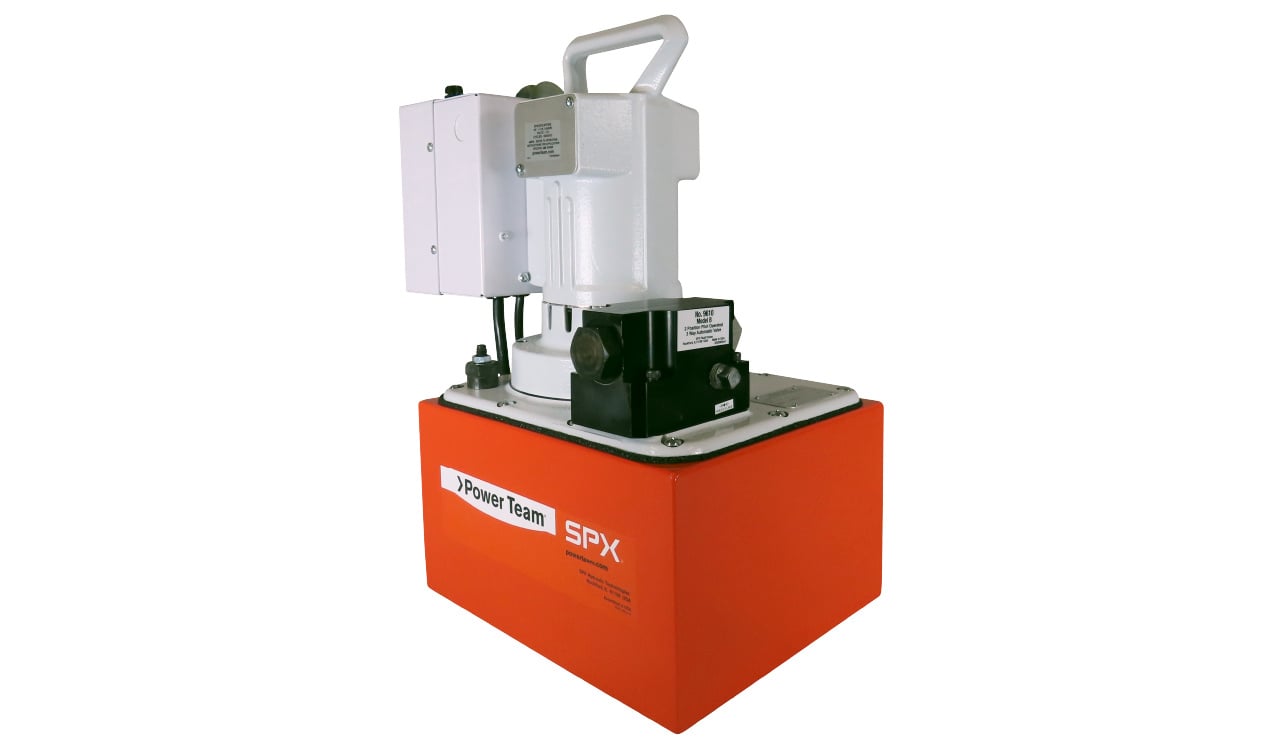
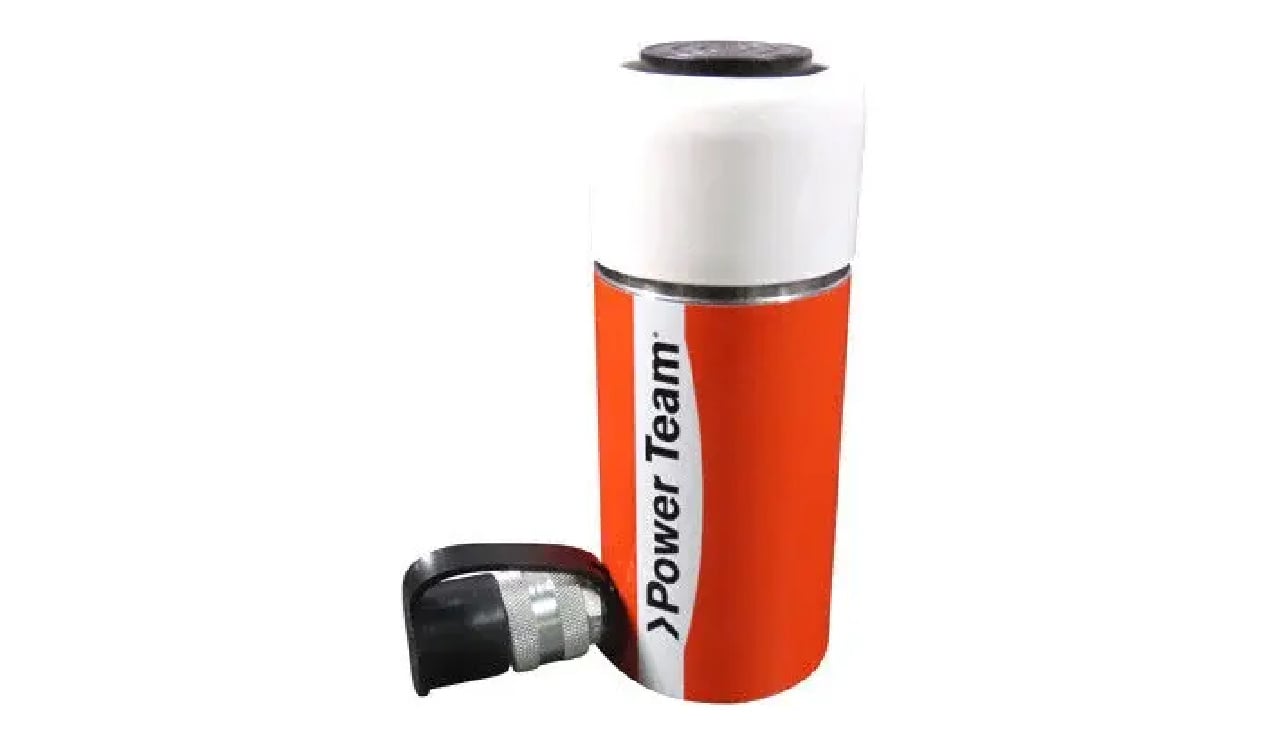
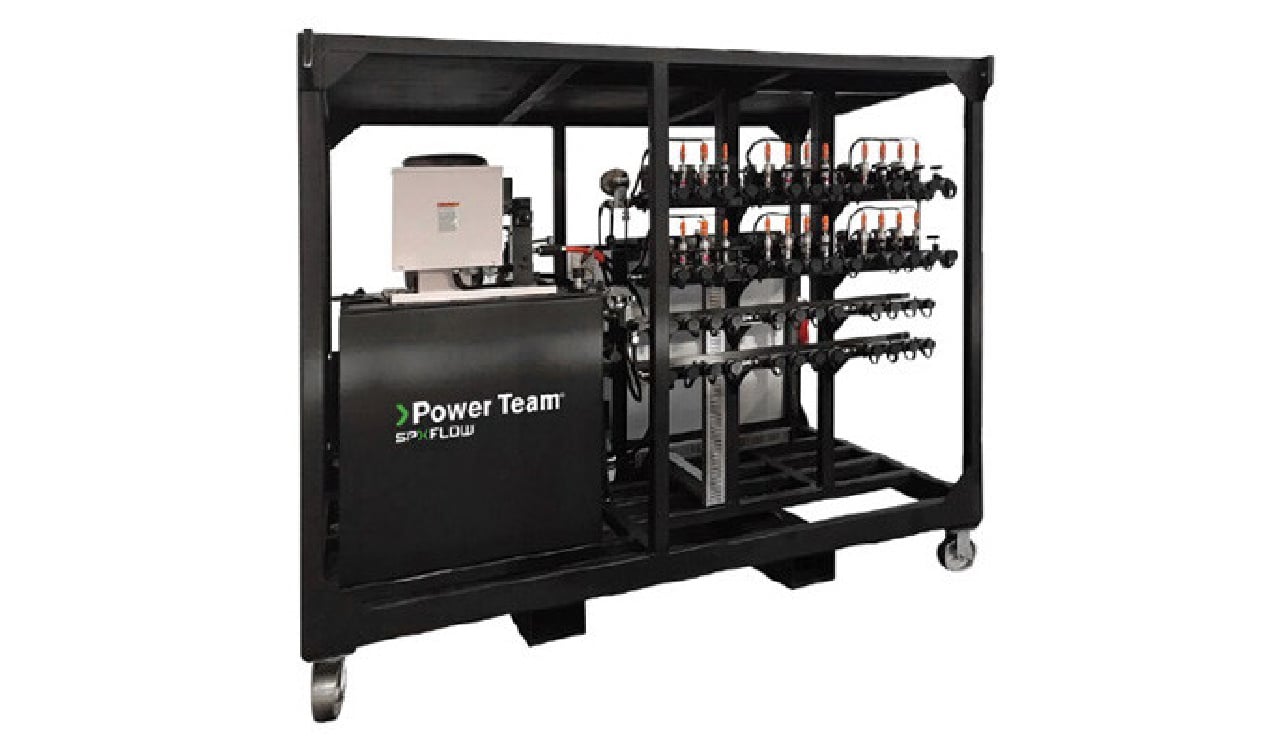
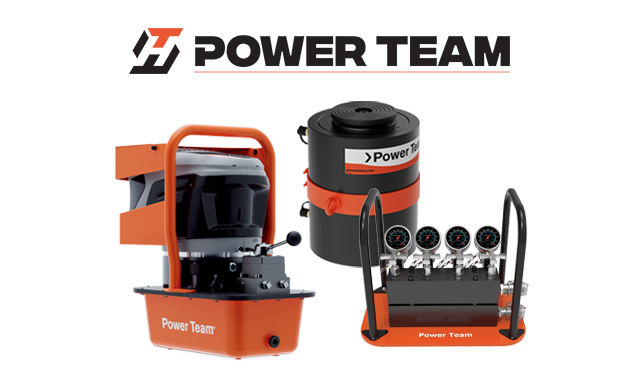
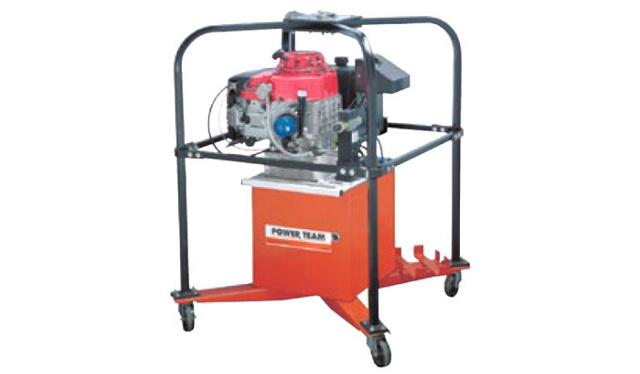
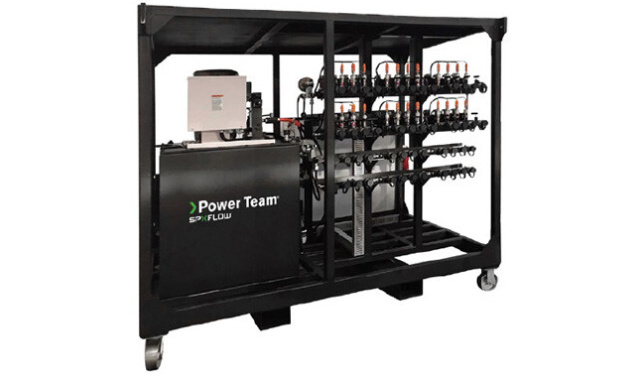
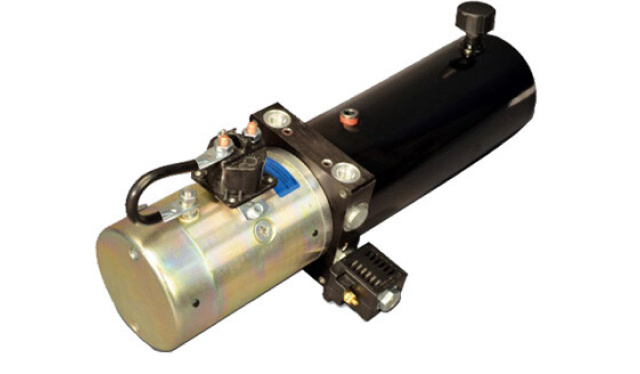
Power Team RD, R, RA, and RGP cylinders in 10 to 1,000 ton, paired with PE55 electric pumps or the cordless battery platform, give bridge crews a portable, code compliant lift setup. For multi-point work, the eSync portable synchronous control system delivers plus or minus 1 mm accuracy across up to 64 points. On a recent Sunshine Skyway lift, eSync saved an estimated $14,350 dollars per section across 35 sections versus a traditional motion control setup, mainly by eliminating the generator, forklift, and lane closure line items. Also read about this case study where Power Team helped launch a steel bridge without access to crane or traditional heavy lifting machinery.
Hydra-Slide for jacking & skidding
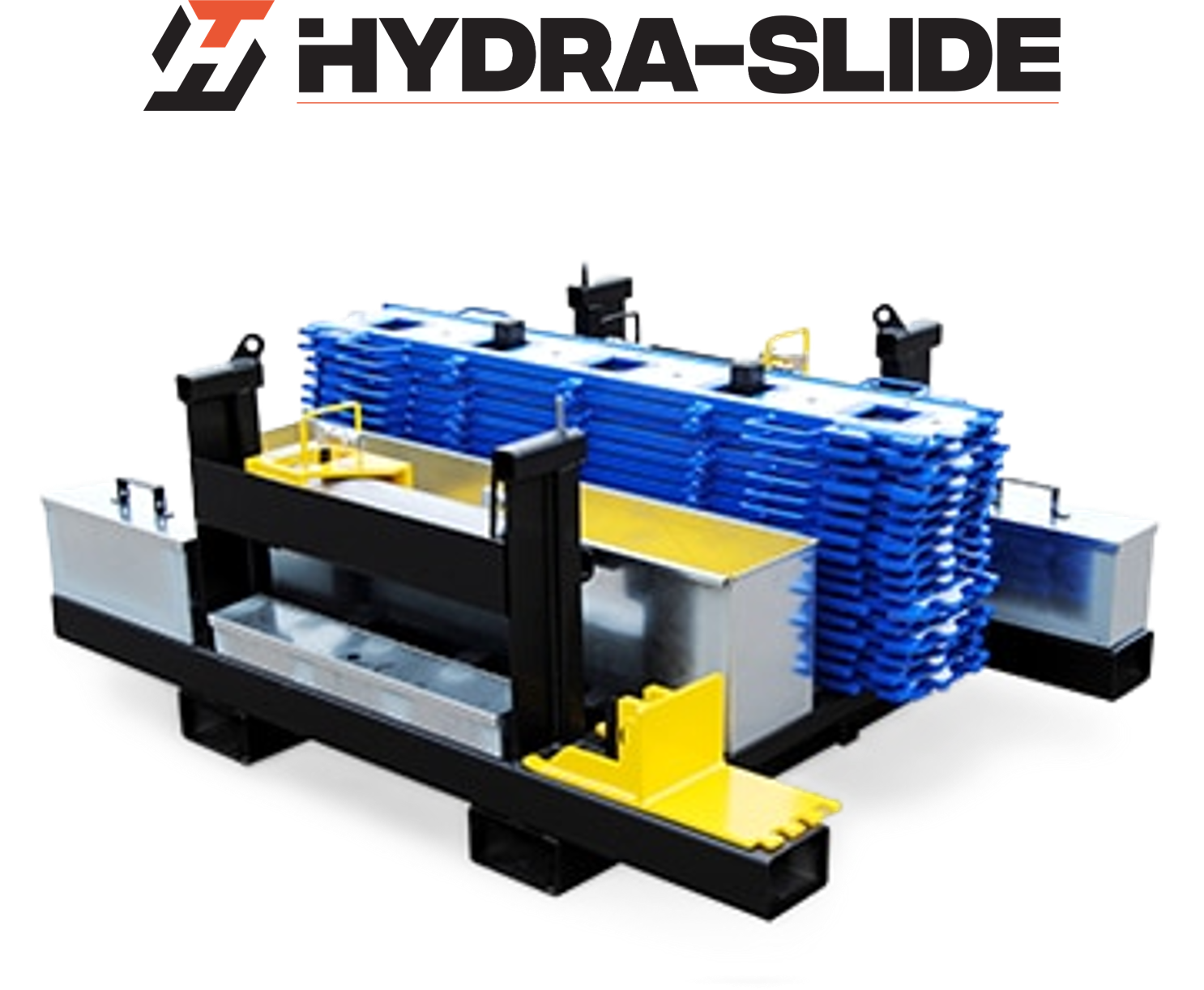
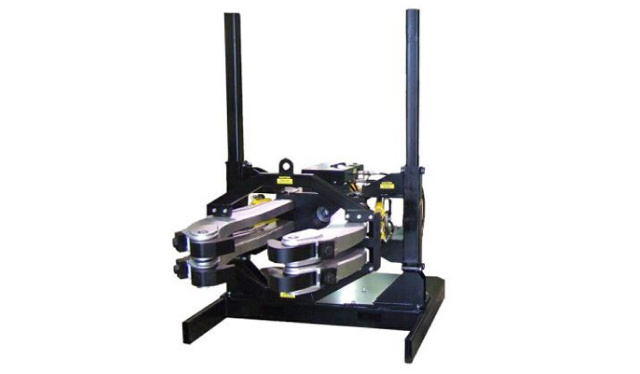
Hydra-Slide HT300 and LP600 low profile skidding systems handle 300 to 600 tons per track set with hydraulic push pull cylinders under closed loop control. On bridge launches and segment moves, this is how a girder or precast segment travels from a staging yard to the pick point without a second heavy crane.
Bolting Systems for the joint Integrity
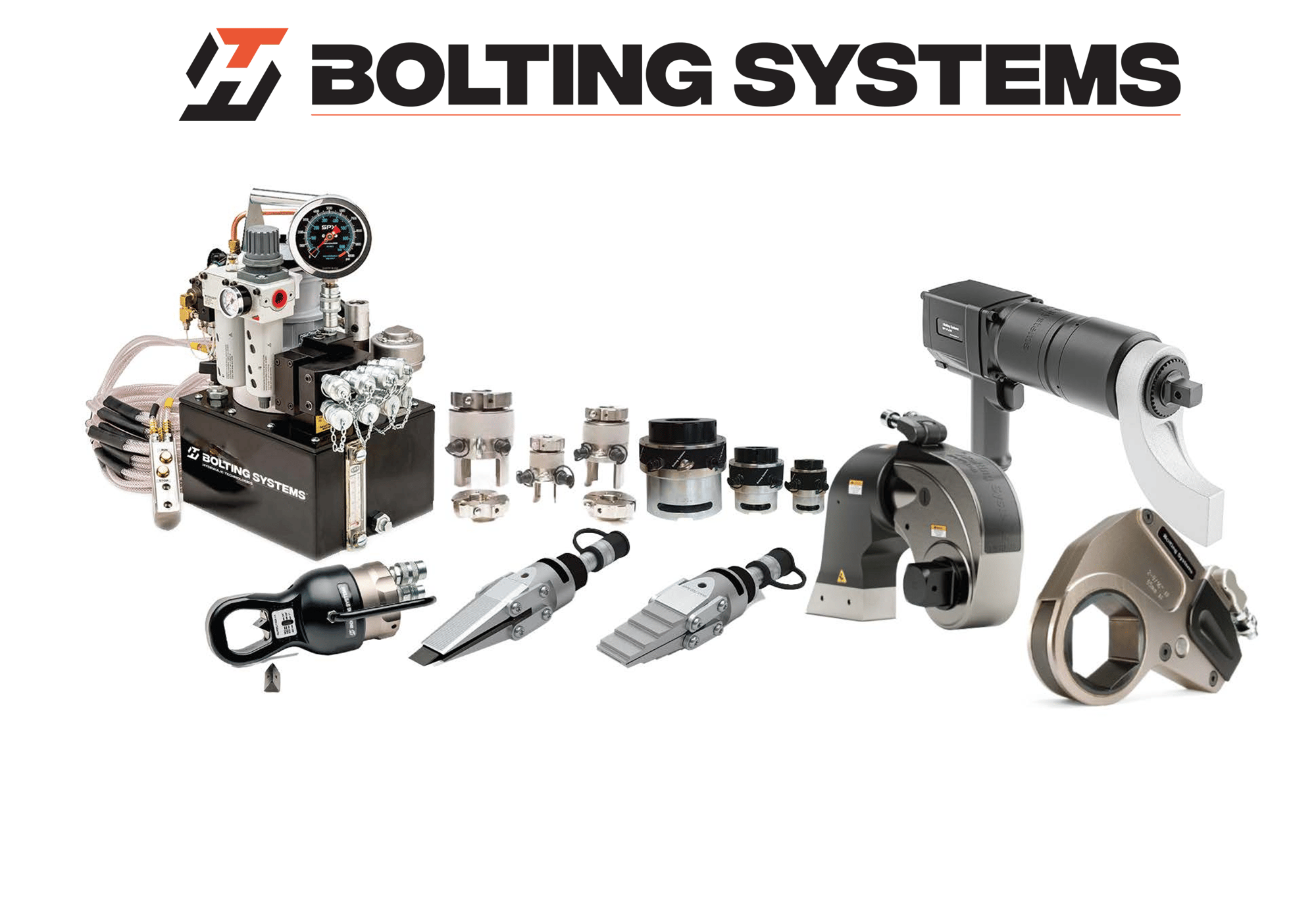
Bolting Systems covers the range with the TWHC high cycle wrench up to 53,000 ft lbs, the TWLC low clearance wrenches up to 28,000 ft lbs for tight access points, and the TWSL slimline series for the narrowest bolt pitches. Pump options include the PE55TWP electric pump for indoor use, the PA60 air pump for spark sensitive areas, and the PG120 gas pump for exterior yards. All wrenches ship with NIST traceable calibration certificates for traceability.
Bridge type to hydraulic tool, at a glance
|
Bridge type |
Primary hydraulic task |
HT brand fit |
|
Beam and girder |
Bearing replacement, deck jacking, post tensioning |
Power Team, eSync, Bolting Systems |
|
Truss |
Gusset replacement, member jacking, bolted joints |
Bolting Systems, Power Team |
|
Arch |
Abutment jacking, tie tensioning, bearing swap |
Power Team, eSync |
|
Cantilever |
Segment lift, post tensioning/stressing, skidding |
Power Team, eSync, Hydra-Slide |
|
Cable stayed |
Stay tensioning, pylon and deck geometry |
Power Team, custom multi strand jacks |
|
Suspension |
Suspender rope swap, saddle shift, anchorage bolts |
Power Team, Bolting Systems |
|
Movable |
Trunnion bearing, counterweight, controlled lowering |
Power Team, eSync |
Why this matters for the engineer of record
- Safety: Using reliable products of the highest quality.
- Load path integrity: Synchronized lifting inside 1mm keeps the deck geometry inside design tolerance during bearing and joint work.
- Schedule: Removing forklifts, second cranes, and generators from the deck usually pulls a full shift out of a bearing swap or joint retorque.
- One stop shop: Power Team, eSync, Hydra-Slide, Foxtrot, and Bolting Systems are all HT brands, so one PO, one rep, and one service contract cover the full scope.
- Documentation: Calibrated bolting records satisfy DOT, insurer, and fabricator warranty requirements in a single pass, not three.
Ready to scope your next bridge job
- Talk to a specialist. Book a 30 minute call with an HT application engineer to size the package. hydraulictechnologies.com/contact
- Rent for the project. Power Team cylinders, eSync kits, Hydra-Slide tracks, and calibrated torque wrenches are available for short term rental through HT.