

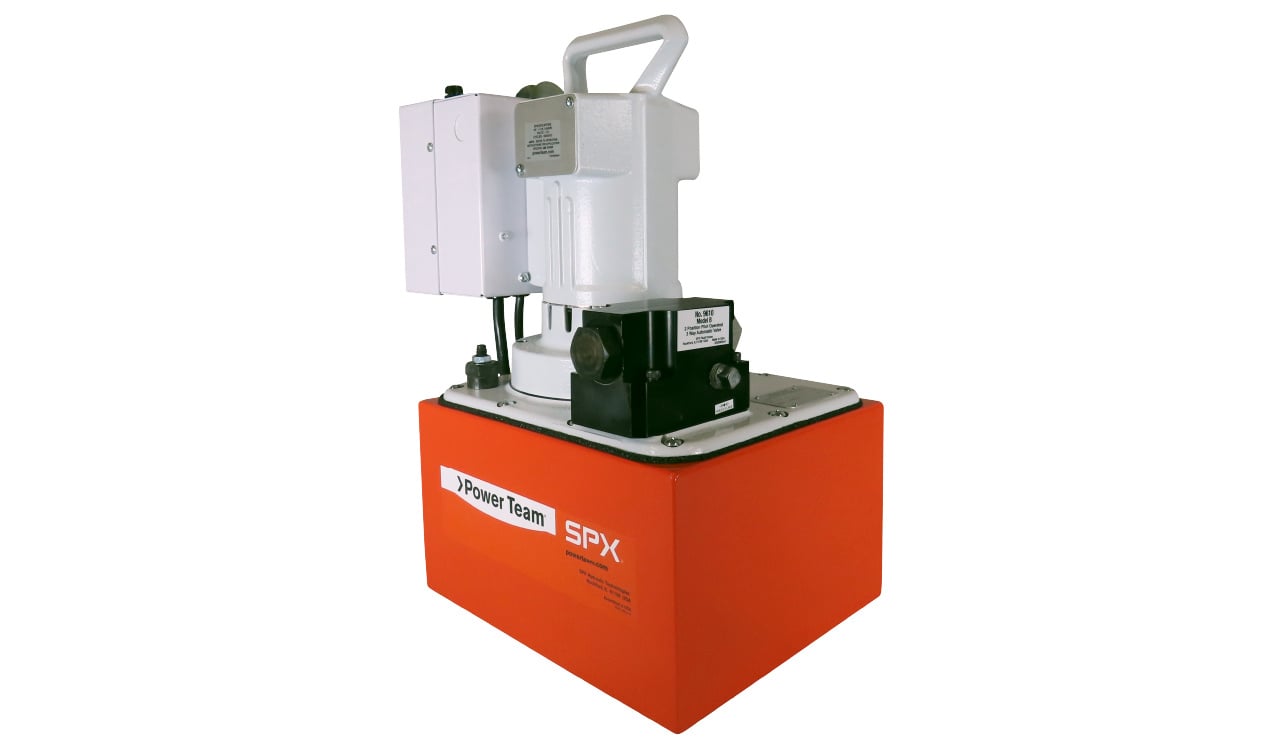
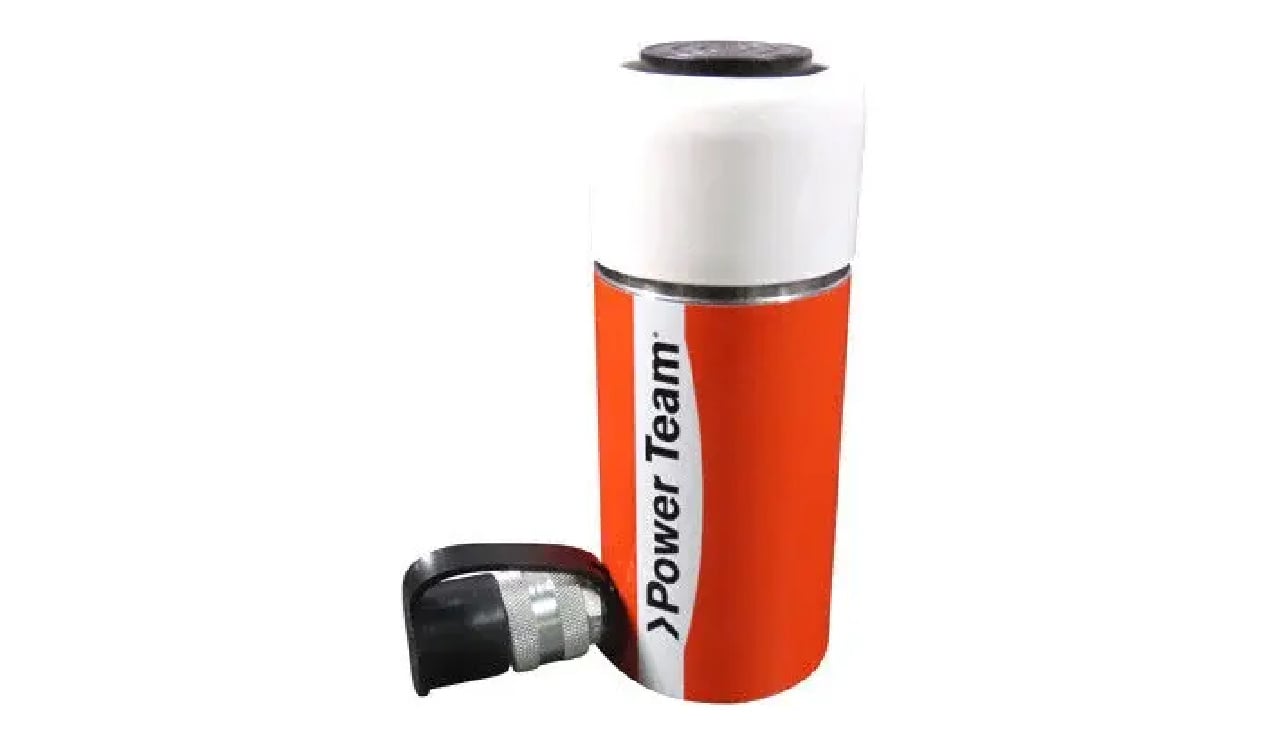
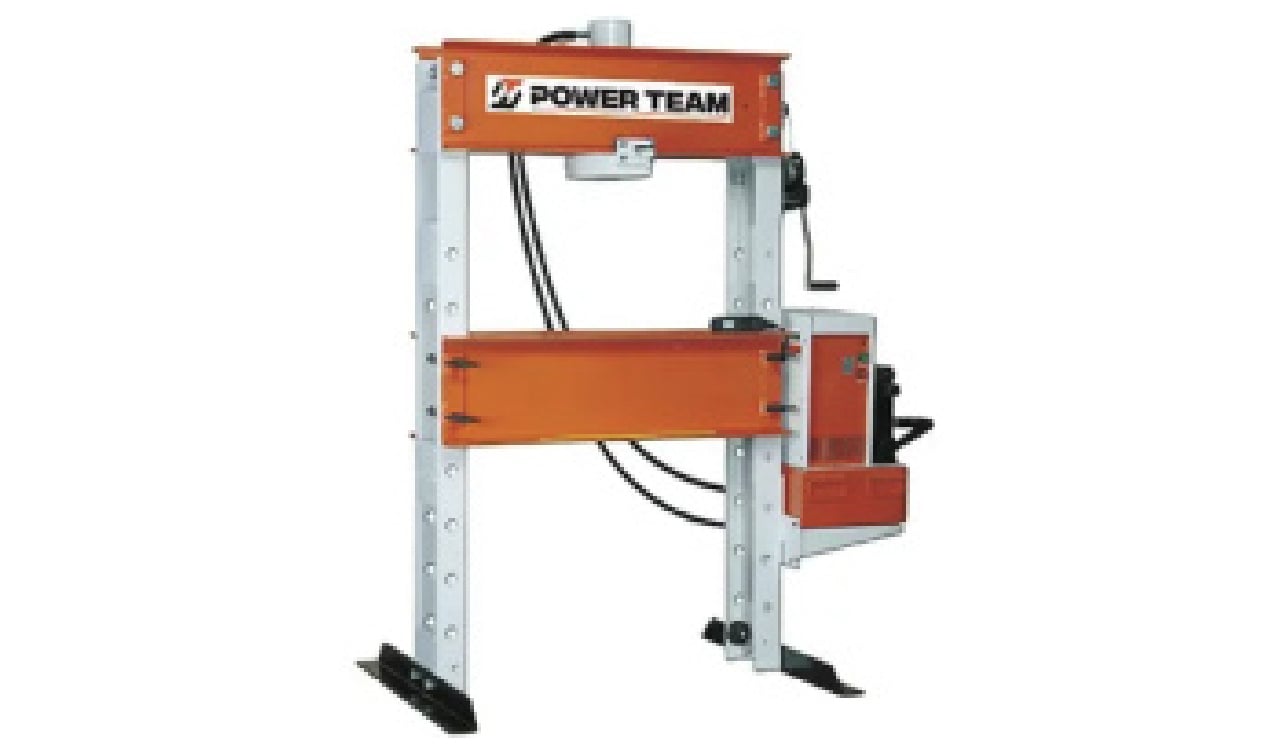












































A hydraulic pump failure on a heavy lift construction site can halt an entire project and put personnel at risk. Power Team delivers reliable hydraulic systems designed specifically for demanding heavy lift operations, helping rigging and lifting contractors avoid the unplanned downtime that comes with pump failures. In this guide, you'll find the root causes behind hydraulic pump failure, step-by-step troubleshooting workflows, and field-tested maintenance practices that keep your high-tonnage lifting equipment running reliably.
From contamination and cavitation to overheating and mechanical wear, this article covers every failure mode you need to understand. You'll also learn how to recognize warning signs early, so you can address problems before they escalate into dangerous situations on the job site.
Key Takeaways: Hydraulic Pump Failures in Heavy Lifts 2026 Guide
- Fluid contamination from particles, water, and air causes up to 80-90% of hydraulic pump failures in construction equipment applications.
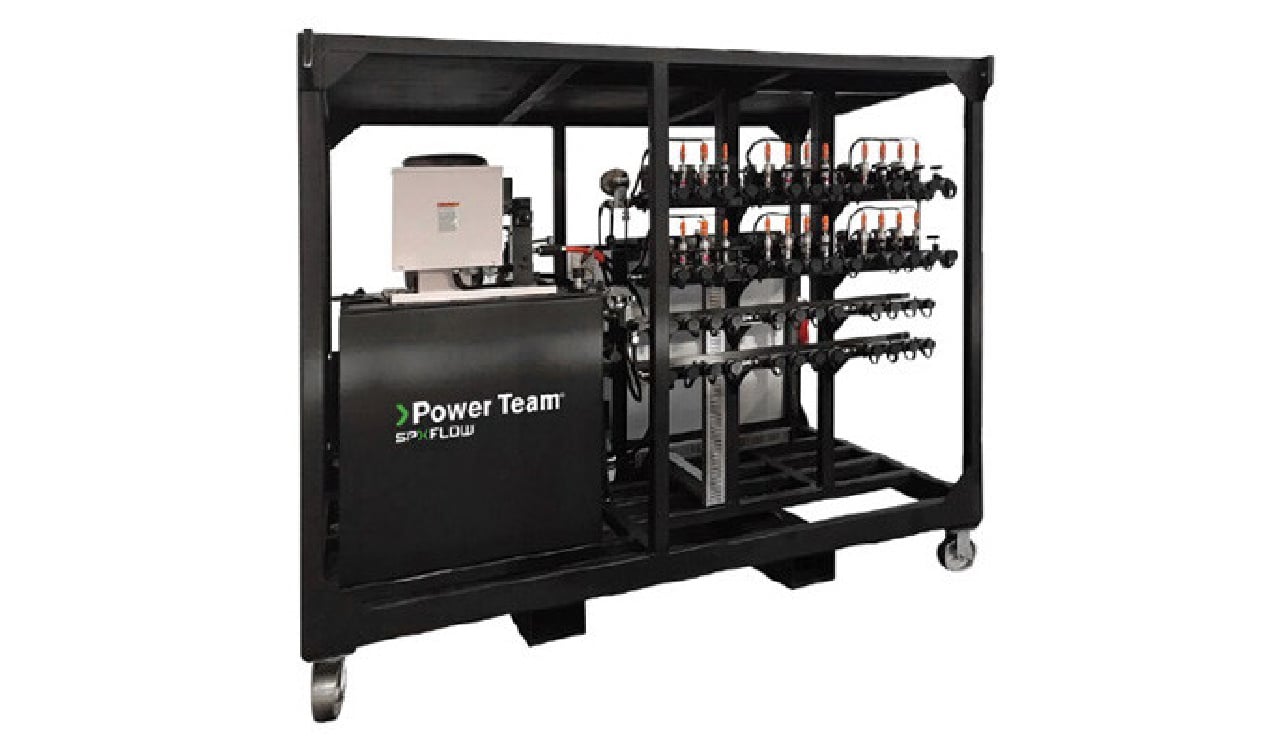
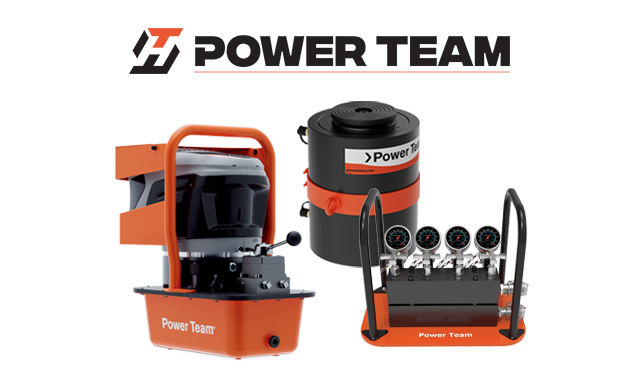
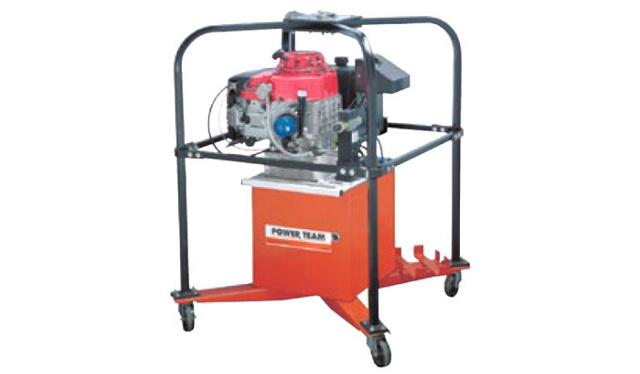
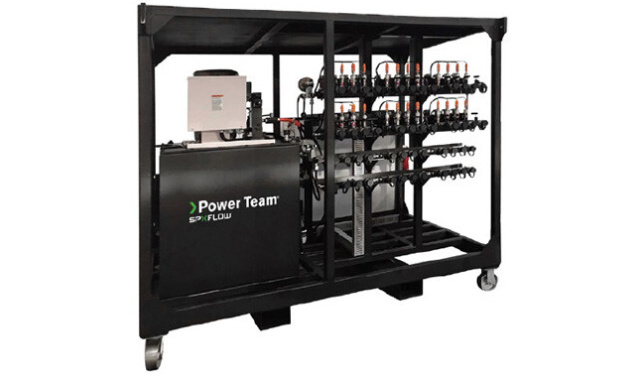
- Power Team engineers high-pressure hydraulic pumps for synchronized heavy lift operations where reliability directly impacts safety and project timelines.
- Cavitation and aeration produce distinct warning sounds—learning to identify them helps you catch problems before component damage occurs.
- Temperature extremes degrade hydraulic fluid viscosity, causing accelerated wear on internal pump components during heavy lift operations.
- A structured preventive maintenance program can extend hydraulic pump service life by multiple years on demanding construction sites.
What Is a Hydraulic Pump and Why Does It Matter in Heavy Lifts?
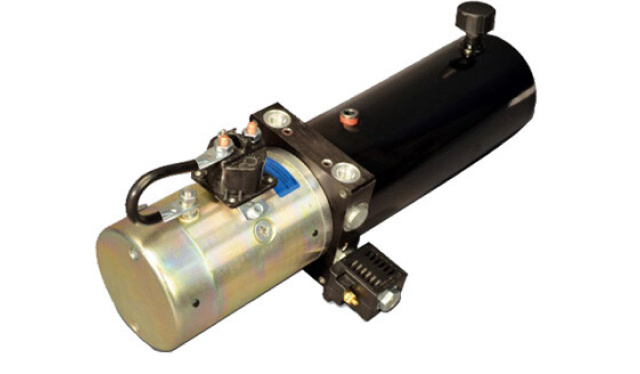
A hydraulic pump converts mechanical energy from an engine or motor into hydraulic pressure by moving fluid through the system. This pressurized fluid then travels to hydraulic cylinders and motors, generating the force needed to lift, push, and position heavy loads.
In heavy lift construction, the hydraulic pump is the heart of your synchronized jacking system. High-tonnage lifts on bridge projects, industrial equipment installations, and infrastructure work require precise pressure control across multiple cylinders simultaneously. When your pump delivers consistent flow and pressure, your lift proceeds smoothly.
Any disruption to pump performance puts your load—and your crew—at risk. Understanding what causes these disruptions is the first step toward preventing them.
What Are the Most Common Causes of Hydraulic Pump Failure?
Hydraulic pump failures rarely occur without warning. They typically result from one or more underlying conditions that progressively damage internal components. Recognizing these causes helps you take corrective action before a minor issue becomes a major breakdown.
Fluid Contamination from Particles and Debris
Contaminated hydraulic fluid is the leading cause of pump failure in construction equipment. Particles smaller than 5 microns—invisible to the naked eye—cause up to 70% of component wear according to industry research. These microscopic contaminants scratch precision-machined surfaces, erode pump components, and block internal passages.
Sources of particle contamination include worn seals, degraded hoses, external debris entering through reservoir vents, and residue from manufacturing processes. Even new hydraulic fluid often contains particles that exceed manufacturer specifications for system cleanliness. As noted in a recent fleet management study, reducing contamination by one ISO cleanliness code can double component service life.
Water Contamination in Hydraulic Fluid
Water enters hydraulic systems through condensation, worn seals, and contaminated fluid during top-offs. Even small amounts of water accelerate corrosion on metal surfaces, reduce the fluid's lubricating properties, and promote bacterial growth that degrades additives.
You can often identify water contamination by a milky or cloudy appearance in the hydraulic fluid. On heavy lift job sites where equipment operates in varying weather conditions, water ingress is a constant threat that requires monitoring.
Air Contamination: Aeration and Cavitation
Air contamination takes two forms: aeration and cavitation. Both damage pump components and degrade system performance, but they originate from different sources.
Aeration occurs when air enters the hydraulic system through loose fittings, damaged seals, or low fluid levels. The air mixes with hydraulic fluid and creates foam, reducing the fluid's ability to transmit power efficiently. You'll typically hear a knocking or banging sound when aeration is present.
Cavitation happens when the pump cannot draw fluid fast enough to fill its internal chambers. This creates vapor bubbles that implode violently when they reach high-pressure zones. The implosion produces a whining or screaming noise and erodes metal surfaces over time. Restricted inlet lines, clogged filters, and high fluid viscosity at cold temperatures all contribute to cavitation.
Operating Temperature Extremes
Hydraulic systems have an optimal operating temperature range, typically between 100°F and 180°F (38°C to 82°C). Running outside this range accelerates wear and degrades fluid properties.
Excessive heat thins hydraulic fluid, reducing its film strength and allowing metal-to-metal contact between moving parts. It also oxidizes the fluid, creating varnish and sludge deposits that restrict flow passages. Common causes of overheating include insufficient cooling capacity, restricted airflow around coolers, relief valves stuck partially open, and operating beyond system design limits.
Cold temperatures thicken hydraulic fluid, making it difficult for the pump to draw fluid from the reservoir. Operating under load before the fluid reaches proper viscosity causes cavitation damage. In heavy lift applications during winter months, pre-warming the system before operation protects pump components.
Mechanical Wear and Component Fatigue
All pumps eventually wear out through normal use. Pistons, vanes, gears, and bearings gradually lose their tight tolerances, leading to increased internal leakage and reduced efficiency. The rate of wear depends on operating conditions, maintenance practices, and fluid quality.
Excessive pressure spikes from shock loads accelerate mechanical wear. In heavy lift operations, sudden load shifts or binding during synchronized lifts can generate pressure spikes that stress pump components beyond their design limits.
How Do You Recognize the Warning Signs of Pump Failure?
Early detection of pump problems prevents catastrophic failures and unplanned downtime. Train your operators and maintenance personnel to recognize these warning signs during daily equipment checks and operation.
Unusual Noises from the Hydraulic System
A healthy hydraulic pump produces a consistent hum during operation. Changes in this sound often indicate developing problems.
A high-pitched whining typically signals cavitation—the pump is starving for fluid. Check for restricted inlet lines, clogged suction filters, or fluid that's too cold. A knocking or banging sound usually indicates aeration, meaning air has entered the system through a leak or low fluid level. Grinding or screeching sounds suggest severe internal wear or bearing failure requiring immediate attention.
Decreased Performance and Slower Operation
If your equipment responds sluggishly, takes longer to complete lift cycles, or cannot achieve its rated lifting capacity, the pump may be losing efficiency. Internal wear increases leakage past pump components, reducing the flow and pressure available to actuators.
Before assuming pump failure, rule out other causes such as relief valve misadjustment, cylinder seal leakage, or restriction in directional control valves. A flow test with proper instrumentation confirms whether the pump is delivering its rated output.
Elevated System Temperatures
Rising operating temperatures often indicate increased internal friction from wear or contamination. As pump efficiency drops, more energy converts to heat rather than useful work. Monitor your system temperature and investigate any upward trend.
Visible Fluid Leaks Around the Pump
External leaks around pump seals, fittings, or housing indicate wear or damage that allows fluid to escape. While the leak itself may seem minor, it also creates a pathway for contaminants to enter the system. Address leaks promptly to prevent both fluid loss and contamination.
Erratic or Jerky Equipment Movement
Smooth, predictable motion depends on consistent flow from the pump. If your equipment surges, hesitates, or moves in jerky increments, the pump may be delivering inconsistent output due to air entrainment, worn components, or pressure relief valve chatter.
Step-by-Step Troubleshooting for Hydraulic Pump Problems
When symptoms suggest a pump problem, follow a systematic troubleshooting process to identify the root cause. This approach saves time and prevents the costly mistake of replacing a pump when the actual problem lies elsewhere in the system.
Step 1: Verify Operating Conditions and Parameters
Before diagnosing components, confirm that the system is operating under normal conditions. Check that fluid level is correct, the system has reached operating temperature, and all controls are functioning properly. Review any recent maintenance or repairs that might have introduced problems.
Step 2: Inspect the Hydraulic Fluid
Draw a fluid sample and examine it for contamination indicators. Clear fluid with the proper color suggests good condition. Milky or cloudy fluid indicates water contamination. Dark or burnt-smelling fluid has likely oxidized from overheating. Visible particles or debris confirm solid contamination that requires filtration or fluid replacement.
If contamination is present, identify and correct the source before simply changing the fluid. New fluid introduced into a contaminated system will quickly become contaminated as well.
Step 3: Check Filters and Suction Lines
Inspect the suction strainer or filter for restriction. A clogged suction filter starves the pump and causes cavitation. Check the suction line for kinks, collapsed hose sections, or air leaks at fittings. Verify that the reservoir vent or breather is clear and functioning.
Step 4: Test System Pressure
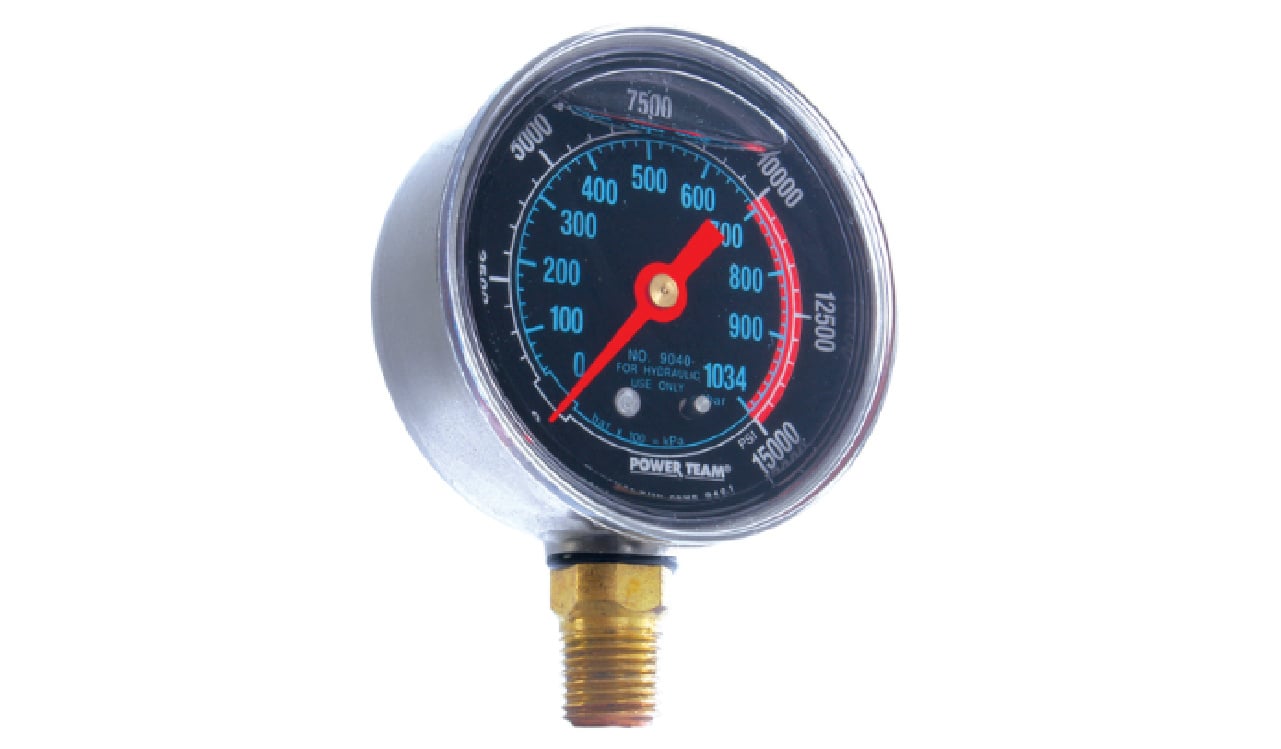
Install a calibrated pressure gauge at the pump outlet and compare readings against specifications. Low pressure under load may indicate internal pump wear, relief valve problems, or downstream leakage. Fluctuating pressure often points to air in the system or worn pump components.
Step 5: Conduct a Flow Test
Flow rate testing tells you exactly how much fluid the pump is delivering compared to its rated capacity. Connect a flow meter with a loading valve to measure pump output at operating pressure. A pump delivering less than 80% of its rated flow typically needs rebuilding or replacement.
Power Team offers engineering support for customers diagnosing complex hydraulic system issues on heavy lift applications. Experienced applications engineers can help you interpret test results and determine the most cost-effective repair approach.
Step 6: Inspect the Pump Internally
If external checks don't reveal the problem, internal inspection may be necessary. This step requires disassembly and examination of wear components like pistons, cylinder bores, valve plates, gears, or vanes depending on pump type. Look for scoring, pitting, erosion patterns, and dimensional wear beyond service limits.
What Maintenance Practices Prevent Hydraulic Pump Failure?
Preventive maintenance costs far less than emergency repairs and unplanned downtime. Establish a maintenance program that addresses the major causes of pump failure before they create problems.
Maintain Fluid Cleanliness at All Times
Fluid cleanliness is the single most important factor in hydraulic component longevity. Implement these practices to keep contamination under control.
Store hydraulic fluid in clean, sealed containers away from dust and moisture. Pre-filter new fluid before adding it to the system—brand new fluid often fails to meet cleanliness specifications. Use dedicated transfer equipment that doesn't introduce cross-contamination from other fluids.
Replace filters on schedule or sooner if differential pressure indicators show restriction. Install breathers with desiccant capability on reservoirs to prevent moisture and particle ingress. Clean around fill ports, dipsticks, and sampling points before opening the system.
Monitor and Control Operating Temperature
Install temperature gauges and establish acceptable operating ranges for your equipment. Investigate and correct the cause of any temperature increase rather than simply adding cooling capacity.
Keep cooler fins clean and airflow paths unobstructed. In cold weather, allow adequate warm-up time before applying load. Consider fluid heaters for equipment that operates in extreme cold where fluid viscosity prevents proper pump operation.
Perform Regular Fluid Analysis
Laboratory analysis of hydraulic fluid samples reveals contamination, wear patterns, and fluid degradation before they cause failures. A systematic sampling program tracks trends over time, alerting you to developing problems. Analysis typically checks for particle count, water content, viscosity, acid number, and wear metals.
Inspect and Replace Seals and Hoses Proactively
Seals and hoses age even without visible damage. Rubber compounds harden and crack over time, especially when exposed to heat and UV radiation. Replace these components based on service hours or age, not just when they start leaking. A failed hose during a heavy lift creates serious safety hazards.
Document Everything and Track Performance
Maintain detailed records of maintenance activities, fluid changes, filter replacements, and equipment operating hours. Track system pressure and temperature readings over time to identify gradual changes that indicate developing problems. This documentation also helps diagnose problems faster when they occur.
How Does Proper Pump Selection Prevent Failures in Heavy Lift Applications?
Selecting the right pump for your application prevents many failure modes before they start. An undersized pump operating at maximum capacity wears faster than a properly sized unit running at moderate load. An oversized pump wastes energy and may not control properly at low flow demands.
Match Pump Capacity to System Requirements
Calculate your actual flow and pressure requirements based on actuator sizes, cycle times, and load demands. Include a reasonable safety margin without excessive oversizing. Verify that the pump's continuous duty rating meets your application—intermittent duty ratings apply only to cyclic operations with rest periods.
Consider Environmental and Operating Conditions
Heavy lift construction sites present challenging conditions including temperature extremes, dust, moisture, and vibration. Select pumps with robust sealing, corrosion-resistant materials, and filtration appropriate for dirty environments.
Power Team pumps are designed for the demanding conditions of construction, energy, and infrastructure projects. The experienced applications engineering team helps customers select and configure systems that deliver reliable performance throughout their service life.
Plan for Maintenance Accessibility
Equipment layout should allow reasonable access for filter changes, fluid sampling, and pump inspection. Cramped installations that make maintenance difficult often receive less frequent attention, leading to earlier failures.
What Safety Considerations Apply to Hydraulic Pump Failures During Heavy Lifts?
A pump failure during a heavy lift operation creates immediate safety concerns. High-pressure fluid release, uncontrolled load movement, and equipment instability all pose risks to personnel. Understanding these hazards helps you prepare appropriate safeguards.
Implement Redundant Safety Systems
Critical lift applications should include redundancy that maintains load control if a pump fails. Load-holding valves prevent uncontrolled descent of suspended loads. Mechanical locks or check valves ensure that cylinder position holds even with complete pressure loss.
For synchronized lifting operations, control systems should include automatic shutdown features that stop all motion if any single circuit experiences a fault. The Power Team eSync synchronized control system monitors multiple lift points and maintains precise position control for safe, coordinated heavy lifts.
Train Personnel on Emergency Procedures
Every crew member involved in heavy lift operations should understand emergency shutdown procedures and know how to secure loads safely if equipment malfunctions. Regular training drills keep these skills sharp and identify any gaps in emergency preparedness.
Never Work Under Unsecured Loads
This fundamental safety rule applies even when hydraulic systems appear to be functioning normally. Always use mechanical blocks, cribbing, or safety stands to support loads before personnel enter the work zone. Never rely solely on hydraulic pressure to hold a suspended load.
Follow Established Lift Plans
Engineered lift plans specify equipment capacity, rigging configuration, ground conditions, and safety zones for heavy lift operations. Following these plans protects personnel and helps ensure that hydraulic systems operate under their design limits. Deviating from established procedures increases the risk of equipment overload and failure.
When Should You Repair Versus Replace a Failed Hydraulic Pump?
A failed pump doesn't always require complete replacement. Evaluating repair economics helps you make the most cost-effective decision for your situation.
Factors Favoring Pump Repair
Repair makes sense when damage is limited to wear components like seals, bearings, or easily replaceable internal parts. If the pump housing and major structural components are undamaged, a rebuild can restore performance at a fraction of replacement cost.
Availability also matters. If a replacement pump has a long lead time, rebuilding your existing unit may get you back in operation faster. Some specialized pumps used in heavy lift equipment may not have readily available replacements.
Factors Favoring Pump Replacement
Replacement is typically better when damage extends to the pump housing, mounting surfaces, or shaft. Severe contamination damage that affects multiple wear surfaces often makes repair impractical. If the pump has already been rebuilt multiple times, further repairs may not deliver reliable service.
Consider upgrading to improved pump designs if the failure revealed limitations in your original selection. Newer pump technology may offer better efficiency, longer service life, or enhanced durability for your operating conditions.
Investigate Root Cause Before Restoring Service
Whether you repair or replace the pump, investigate and correct the root cause of failure before returning to service. A new or rebuilt pump installed into a system with unresolved contamination, overheating, or misapplication will fail again. Document your findings to prevent recurrence.
In Conclusion: Protecting Your Heavy Lift Operations from Hydraulic Pump Failure
Hydraulic pump failures in heavy lift construction are preventable through understanding failure mechanisms, recognizing warning signs, and implementing sound maintenance practices. Contamination control, temperature management, and systematic inspection catch most problems before they cause expensive downtime or safety incidents.
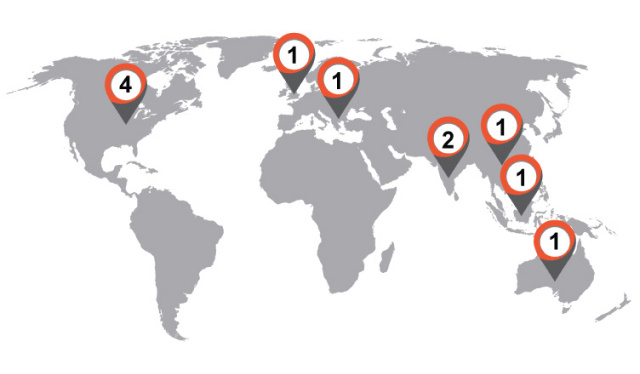
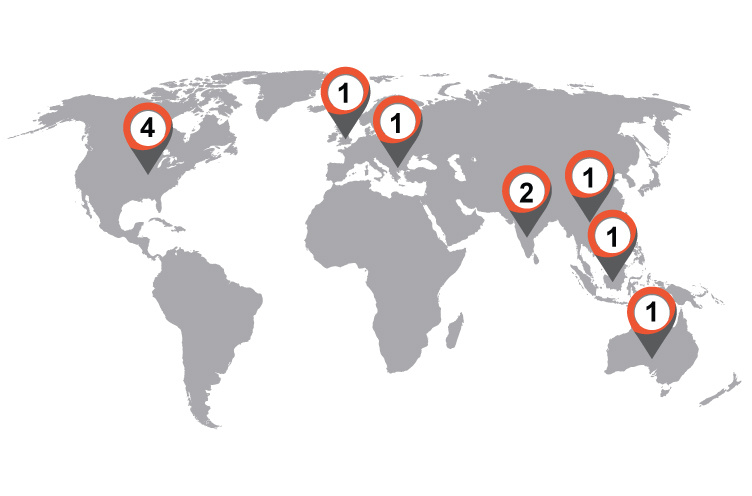
Power Team builds high-pressure hydraulic pumps and synchronized lifting systems specifically for demanding heavy lift applications. With global service centers and experienced applications engineering support, Power Team helps rigging and lifting contractors keep their equipment running reliably on critical projects. Invest in proper maintenance and quality equipment selection today to avoid the far greater cost of failures tomorrow.
FAQs About Hydraulic Pump Failures in Heavy Lifts
What is the most common cause of hydraulic pump failure in construction equipment?
Fluid contamination causes the majority of hydraulic pump failures. Industry research indicates that contaminated fluid accounts for 80-90% of hydraulic system failures. Microscopic particles, water, and air in hydraulic fluid erode precision surfaces, degrade lubricating properties, and cause accelerated wear on pump components.
Power Team designs its hydraulic systems with contamination control in mind, using quality filtration and sealed reservoirs to protect pump components.
How can I tell if my hydraulic pump is starting to fail?
Early warning signs include unusual noises (whining, knocking, or grinding), slower equipment response, elevated operating temperature, and visible fluid leaks around the pump. Equipment that suddenly cannot achieve its normal lifting capacity or exhibits erratic motion often has a pump problem developing.
Regular monitoring of system pressure, temperature, and cycle times helps you detect gradual performance changes before complete failure occurs.
How often should hydraulic fluid be changed in heavy lift equipment?
Fluid change intervals depend on operating conditions, fluid type, and manufacturer recommendations—typically ranging from 1,000 to 4,000 operating hours. However, fluid analysis results should guide your actual change schedule. Fluid that maintains good viscosity, cleanliness, and additive levels may remain in service longer, while contaminated fluid needs replacement sooner.
What causes a hydraulic pump to overheat?
Common causes of pump overheating include internal leakage from worn components, restricted fluid flow, insufficient cooling capacity, operating beyond design limits, and relief valves stuck partially open. Low fluid level that reduces cooling capability also contributes to elevated temperatures.
Address overheating promptly—high temperatures degrade hydraulic fluid and accelerate wear on all system components.
Can hydraulic pumps be rebuilt, or should they always be replaced?
Many hydraulic pumps can be rebuilt successfully when wear is limited to replaceable components like seals, bearings, and wear plates. Rebuilding typically costs 40-60% of replacement and may be faster if parts are available. However, pumps with housing damage, shaft wear, or extensive internal erosion usually require replacement.
Power Team's service network offers both pump rebuilding and replacement options, helping you choose the most economical solution for your situation.
How does Power Team help prevent hydraulic pump failures on heavy lift projects?
Power Team engineers hydraulic pumps and synchronized lifting systems specifically for construction heavy lift applications. This includes high-pressure pump designs that handle demanding duty cycles, contamination-resistant components, and integrated system monitoring. The experienced applications engineering team helps customers select appropriate equipment and configure systems for reliable long-term performance.
Power Team also offers training programs that teach proper operation and maintenance practices to extend equipment service life.
