














































How to manage inspection, maintenance, and risk across modular data centers that rely on hydraulic lifting, leveling, and skidding throughout their lifecycle.
Why hydraulic safety is now a core part of modular data center reliability
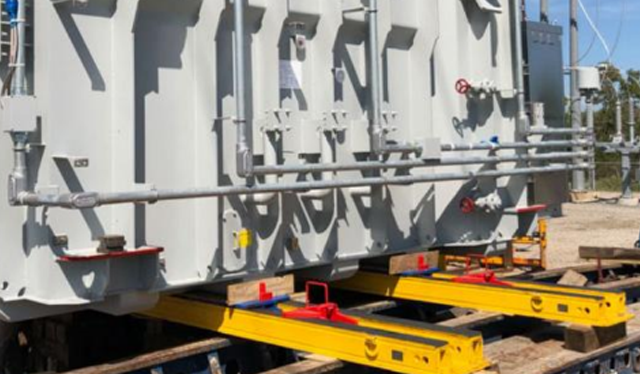
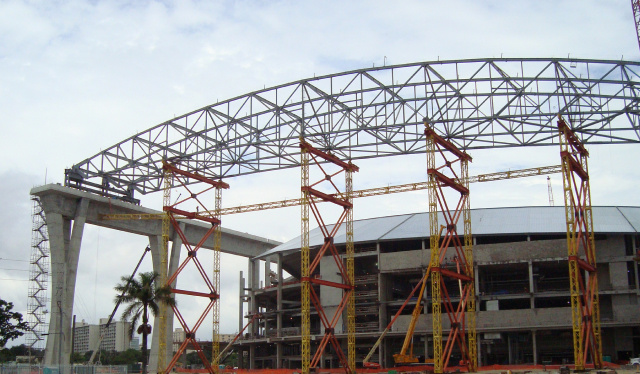
Every modular data center project depends on safe, controlled heavy moves. From the first offload at the laydown yard to final placement on the pad, and from future re-leveling to potential relocation, high-pressure hydraulic systems play a central role in managing risk. As more operators adopt modular strategies to accelerate capacity deployment, they must also adopt a lifecycle view of hydraulic safety and maintenance. The challenge is that traditional data center risk frameworks focus on electrical, mechanical, and cyber threats—not on the mechanical and hydraulic systems used to move the facility itself. Yet mission-critical consequences are just as real in the physical domain. An uncontrolled lift, uneven jacking sequence, or poorly maintained hose can damage racks, disturb sensitive storage media, or in extreme cases, threaten personnel safety. Evidence from adjacent sectors underscores the need for disciplined hydraulic practices. Heavy industrial projects use multi-point synchronous jacking and skidding systems to move transformers, turbines, and prefabricated modules weighing hundreds of tons. Technical papers and method statements from these sectors repeatedly emphasize topics like pre-lift engineering, defined jack points, double-checking of lift paths, and the use of mechanical cribbing as a back-up to hydraulic support. In modular data center deployments, many of the same principles apply—but they must be adapted to the realities of IT equipment, cable routing, and the need to minimize downtime. One emerging signal of this convergence is the development of patented hydraulic mechanisms specifically for modular IT environments. Designs for isolated floor locking and leveling systems, for instance, describe underfloor hydraulic circuits that re-level floor plates automatically when heavy equipment is added or shifted, ensuring that walking surfaces and equipment supports remain within safe tolerances. These concepts mirror long-standing practices in industrial and civil environments, where hydraulic systems and sensors work together to maintain structural alignment and load sharing. For operators, the implication is clear: hydraulic lifting and leveling systems need to be managed with the same rigor applied to UPS systems, chillers, and network fabrics. That means documented procedures, defined roles and responsibilities, inspection and testing regimes, and integration with site-level risk registers. When hydraulic best practices are fully embedded in modular data center operations, every future move—from minor seasonal re-leveling to complete site relocation—can be executed with confidence and repeatability.
Hydraulic safety, monitoring, and redundancy for mission-critical modular sites
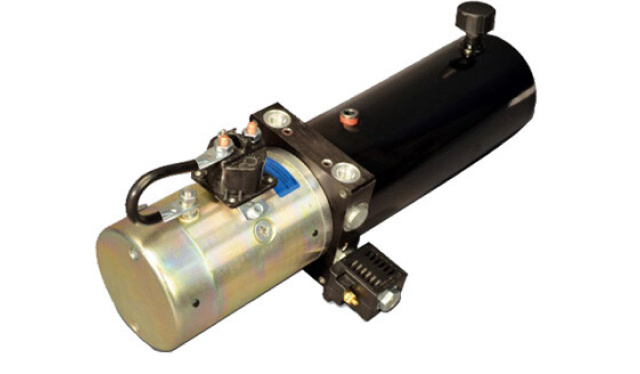
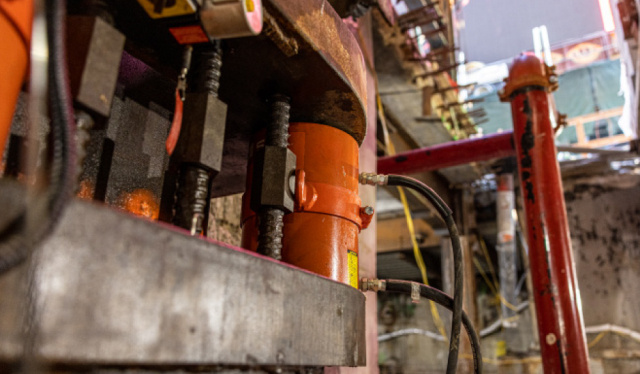
Designing hydraulic systems and interfaces into modular data centers is only the beginning. To protect uptime and safety over the long run, operators need clear strategies for hydraulic safety, monitoring, and redundancy—especially when modules may be lifted, re-leveled, or relocated multiple times over their service life. The first principle is conservative system design. Hydraulic circuits used for lifting and leveling modular data centers should be engineered with generous safety factors, high-quality components, and fail-safe behaviors. Where possible, lifting and leveling functions should use double-acting cylinders with mechanical lock nuts or locking collars, so the structure can be mechanically supported at height without relying on fluid pressure alone. Control manifolds should incorporate check valves, pressure relief valves, and flow controls that prevent runaway motion in the event of hose failure or sudden load shifts. Monitoring closes the loop between hardware and operational safety. Just as data center operators instrument IT and facility systems for continuous visibility, hydraulically supported modules benefit from sensors that track pressure, stroke, tilt, and structural movement across key points. Edge-friendly sensor packages can feed data to the same BMS or DCIM platforms that monitor power and cooling, providing alarms when settlement, out-of-level conditions, or suspicious pressure trends appear. Concepts from patented solutions—such as floor plates that automatically trigger hydraulic pumps when deflection exceeds a threshold—point toward a future where hydraulic responses are tightly integrated with real-time sensor feedback inside modular enclosures: Isolated Floor Locking Mechanism for Modular Data Centers. Redundancy deserves equal attention. For critical lifts, synchronized hydraulic systems should be paired with redundant power and communication paths, as well as clearly defined mechanical back-ups such as cribbing or engineered jack stands. Operators should define clear rules about when loads must be transitioned from hydraulic support to permanent or mechanical support—typically at short, regular stroke intervals. In highly regulated or safety-critical environments, it may be appropriate to apply standards and methods from other industries, such as rail and bridge lifting, where synchronous hydraulic systems are backed by comprehensive risk assessments, method statements, and training programs. By embedding conservative design, continuous monitoring, and mechanical redundancy into hydraulic strategies for modular data centers, operators reduce the risk that a lifting or leveling operation becomes a single point of failure in an otherwise resilient architecture.
Lifecycle maintenance and risk management for hydraulically supported modular data centers
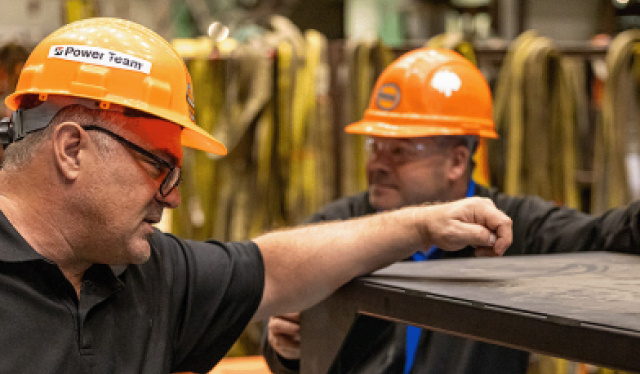
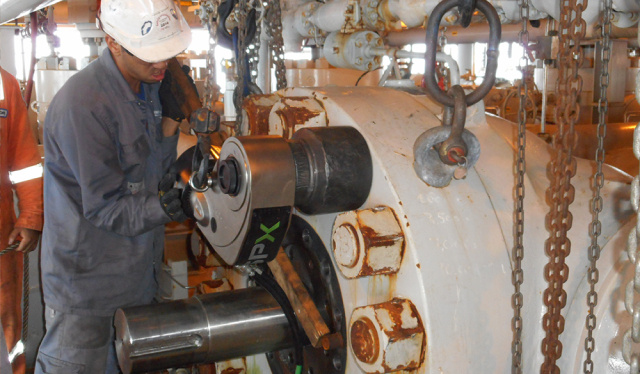
Long-term maintenance and risk management for hydraulically handled modular data centers is as much about process and culture as it is about components. To keep lifting and leveling systems reliable over years of operation, organizations must integrate hydraulic assets into their broader maintenance management, training, and incident response frameworks. Start by treating hydraulic systems and jack interfaces as managed assets, not temporary construction tools. That means cataloging cylinders, manifolds, hoses, and skid beams used at each site; tracking their inspection dates, service history, and calibration records; and assigning responsibility for their upkeep. Maintenance programs from industries that use high-pressure hydraulics extensively—such as heavy civil infrastructure and industrial modularization—highlight the value of scheduled inspections focused on seals, hoses, fittings, and corrosion, all of which can degrade performance or increase leak risk if neglected. Operational procedures should establish clear boundaries between routine adjustments and higher-risk interventions. For example, minor re-leveling to correct seasonal settlement might be performed under a standard operating procedure with defined limits on stroke, tilt, and load changes, while larger lifts or relocations trigger a formal lift plan, engineering review, and risk workshop. Documentation from industrial lifting projects, including method statements for containerized generator moves and modular skid handling, can serve as useful templates for defining step-by-step sequences, equipment lists, and hold points during heavy moves: Lifting Sequence Method Statement for Containerized Equipment. Training and drills are the final pillars. Technicians and supervisors who operate hydraulic lifting and leveling systems should receive both classroom and hands-on instruction, including practice with simulated fault conditions and emergency stops. Incident reviews—from near misses to equipment malfunctions—should feed into updated procedures and design standards over time. In multi-site modular fleets, central engineering teams can capture these lessons and propagate them across projects, ensuring that hydraulic practices mature alongside data center architectures. Ultimately, a disciplined approach to hydraulic maintenance and risk management reinforces the core promise of modular data centers: resilient, rapidly deployable capacity. Rather than treating hydraulic lifts as one-off events, leading operators will view them as recurring operations that deserve the same rigor as electrical switching or cooling system maintenance. The payoff is greater confidence in every move—from initial landing to final decommissioning—across a growing portfolio of mission-critical modular assets.