













































How hydraulic bolting advances flange safety in oil, gas, and power.
Key Takeaways
-
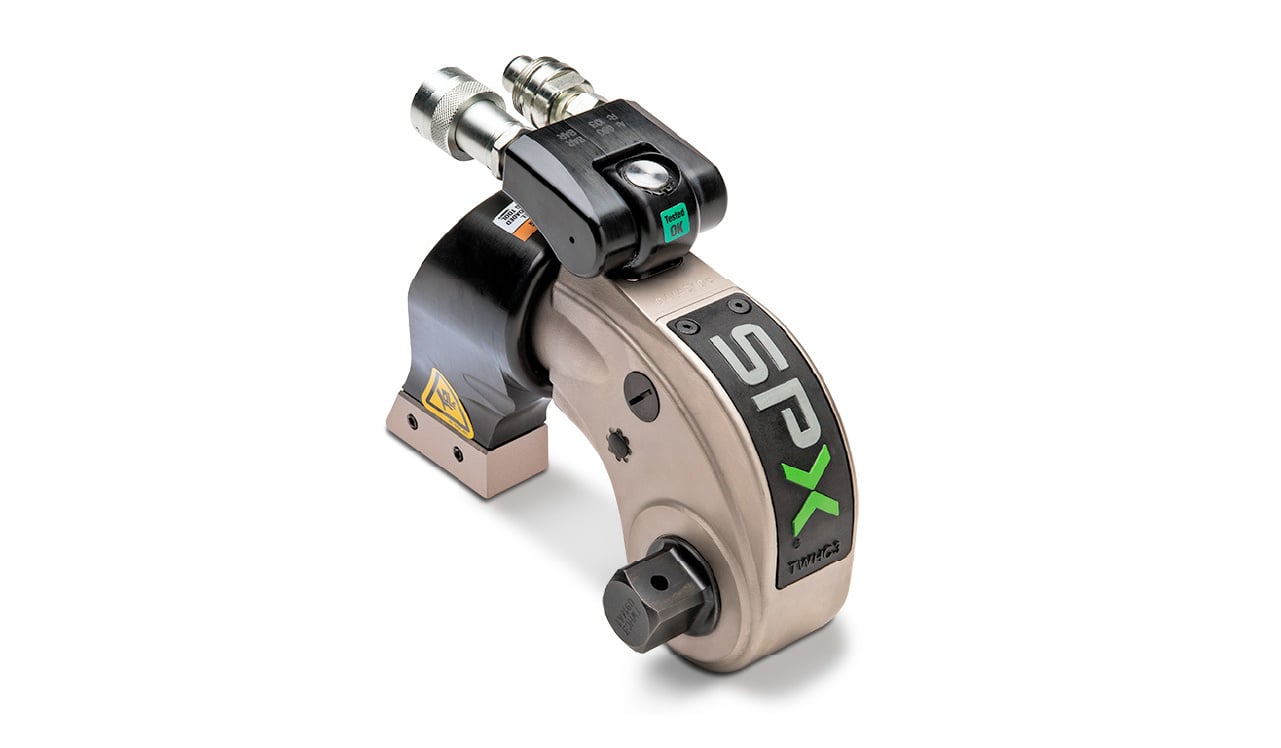
Hydraulic torque wrenches deliver repeatable rotational force at 10,000 psi, cutting flange assembly time by up to 50% vs. manual methods.
-
Bolt tensioners stretch studs directly, reducing preload scatter from ±25% (manual torque) to as low as ±5%.
-
ASME PCC-1 is the gold-standard guideline; pair it with calibrated hydraulic tools and digital flange management for leak-free startups.
-
Multi-stud tensioning can shorten outage critical-path tasks by up to 30% in power and nuclear plants.
-
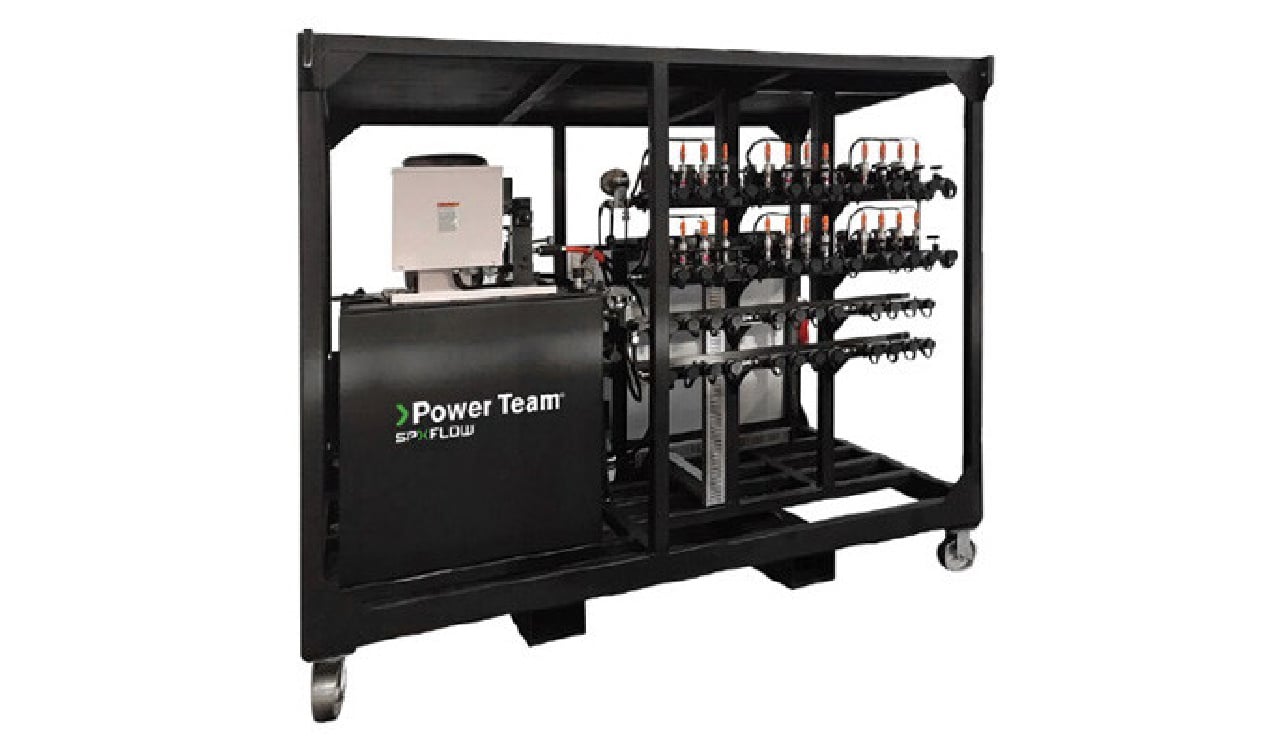
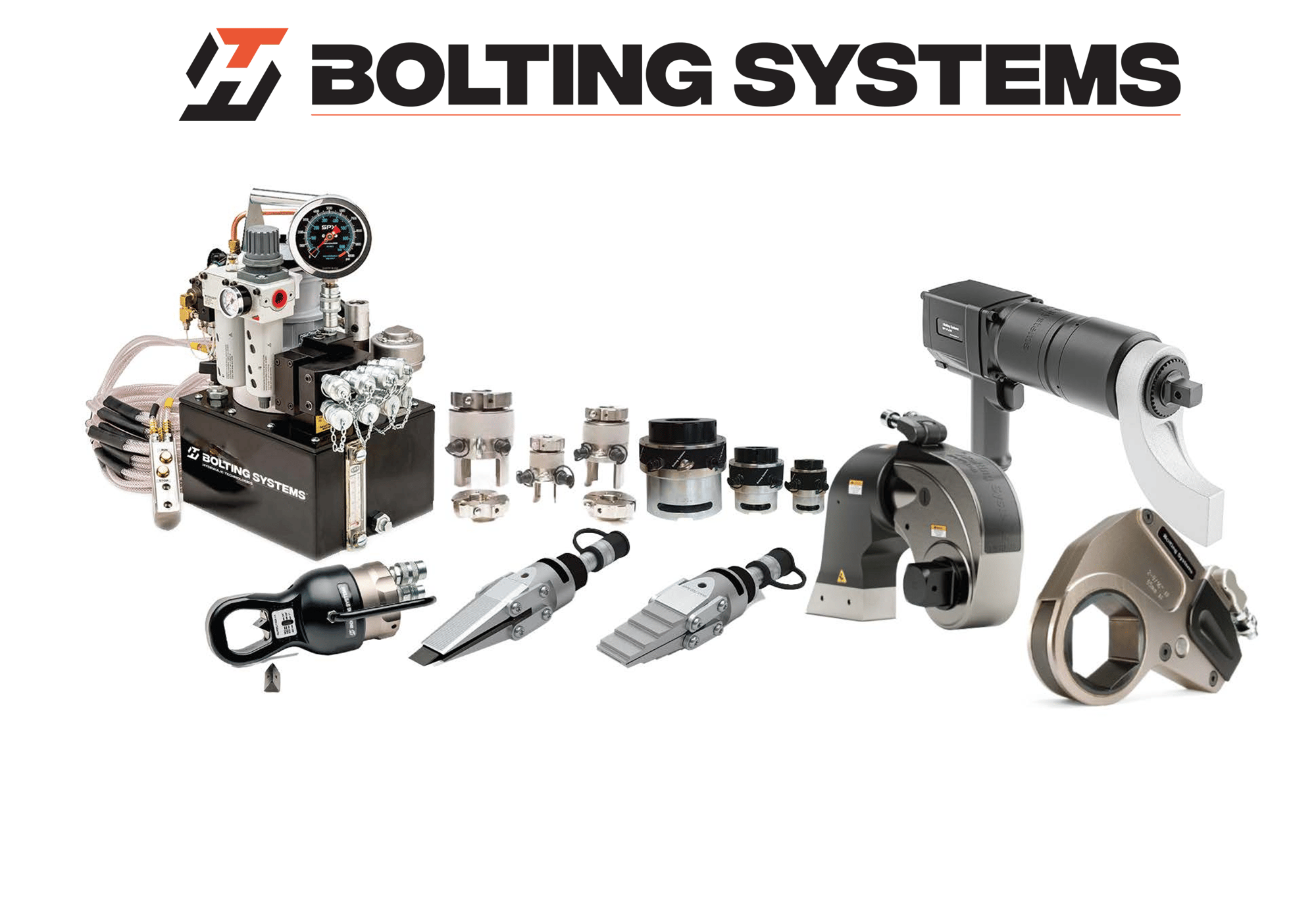
Bolting Systems by Hydraulic Technologies offers a full range of torque wrenches, tensioners, pumps, and rental programs for every application
Why Flange Bolting Matters More Than You Think
Across oil and gas, power generation, and nuclear energy, bolted flanges are the front line of safety, availability, and environmental performance. A single leaking flange can mean fire risk on an offshore platform, a forced outage at a power station, or a regulatory finding in a nuclear plant.
Yet many facilities still rely on legacy torque charts, improvised tightening patterns, and inconsistent recordkeeping. The result? Unpredictable preload, repeated leaks, and unnecessary risk.
Hydraulic torque wrenches and bolt tensioners offer a proven way to reset that baseline: standardizing bolting around measurable preload targets and repeatable, operator-independent tools. This guide breaks down when to use each method and how to pair them with standards like ASME PCC-1 for leak-free results.
Torque vs. Tensioning: Head-to-Head Comparison
Before diving into industry-specific applications, it's important to understand the fundamental difference between the two controlled bolting methods.
|
Factor |
Hydraulic Torque Wrenches |
Hydraulic Bolt Tensioners |
|
How it works |
Applies controlled rotational force to the nut via oil pressure |
Stretches the stud directly to a target elongation; nut is run down by hand-held tool |
|
Preload accuracy |
±10–15% (with controlled lubrication) |
±5% or better |
|
Friction dependence |
High: lubrication, surface condition, and thread quality affect results |
Low: bypasses nut friction almost entirely |
|
Speed |
Fast on small-to-medium flanges; sequential bolt-by-bolt |
Simultaneous multi-stud tensioning on large flanges |
|
Best for |
General flanges, pipe joints, valve bonnets, heat exchangers |
High-energy piping, reactor vessel closures, turbine casings, offshore risers |
|
Tool access |
Low-profile cassettes fit tight spaces |
Requires exposed stud length above the nut |
|
Cost |
Lower tool cost; higher throughput on routine joints |
Higher tool cost; justified by accuracy on critical joints |
|
Key standard |
ASME PCC-1 (torque method) |
ASME PCC-1 (tension method); NUREG-2191 XI.M18 for nuclear |
Section 1: Oil & Gas — Precision Under Pressure
In oil and gas, flange leaks don't just cost money, they create explosion and fire risk. High-pressure hydrocarbon service, crowded topsides, confined spaces, and work at height make controlled bolting essential.
The challenge
Traditional rules of thumb, applying a fixed torque per bolt diameter, mask the fact that friction under the nut and in the threads can waste 50% or more of applied torque. ASME PCC-1, the industry's leading guideline, emphasizes that only a fraction of torque becomes useful clamp load. Without controlling lubrication, surface condition, and tightening sequence, preload scatter can exceed ±25%.
The solution
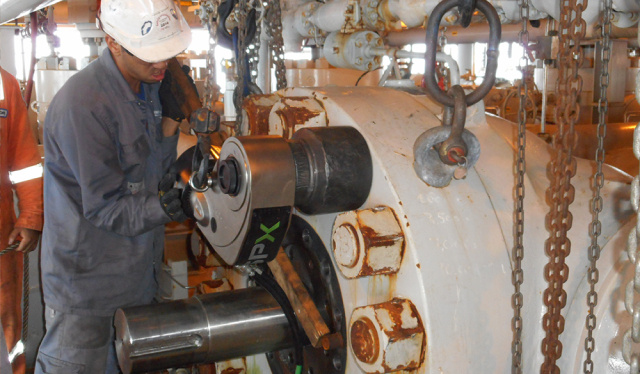
Bolting Systems hydraulic torque wrenches: both square-drive and low-profile cassette configurations, operate at 10,000 psi (700 bar), converting oil pressure into precise rotational force. When paired with a robust torque calculation method per ASME PCC-1, they deliver bolt loads within a ±10–15% scatter band, a dramatic improvement over manual wrenching.
For the most critical joints, high-pressure gas lines offshore, refinery FCC units, and subsea risers Bolting Systems hydraulic bolt tensioners stretch studs directly. This bypasses friction almost entirely, tightening the scatter band to ±5% and giving integrity engineers the confidence they need for leak-free startups.
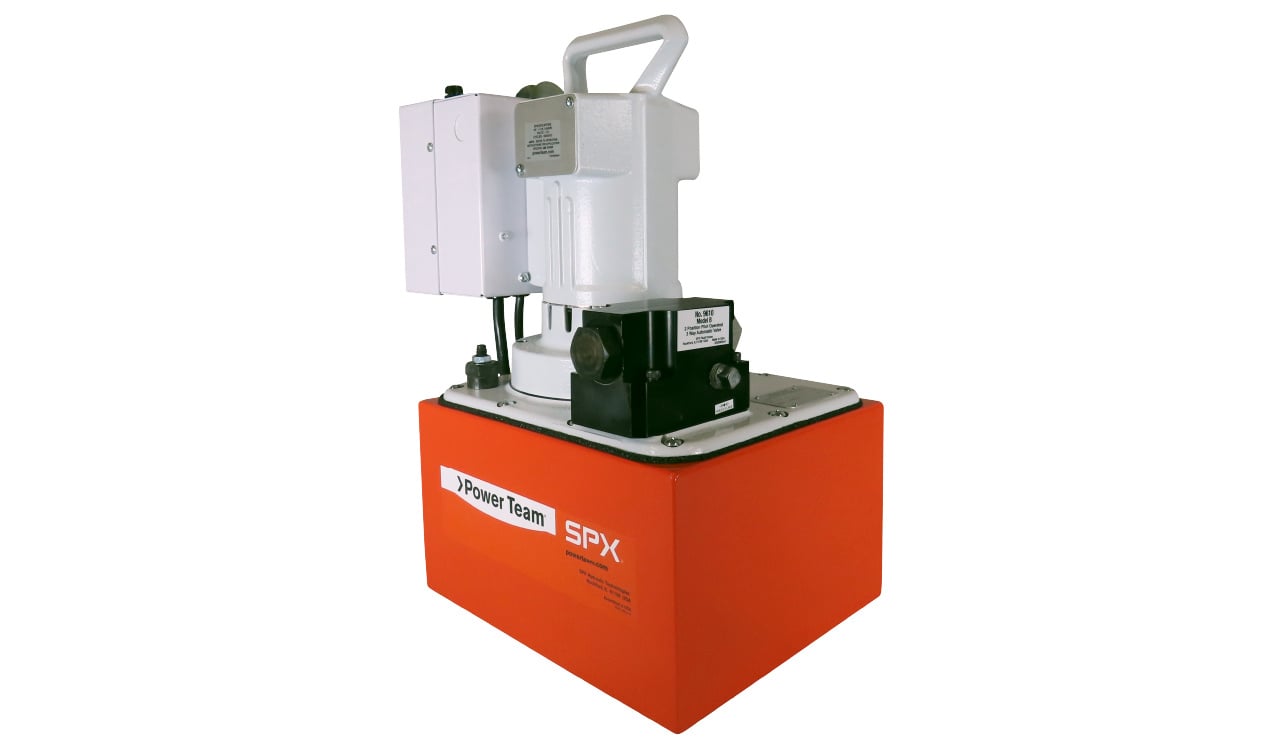
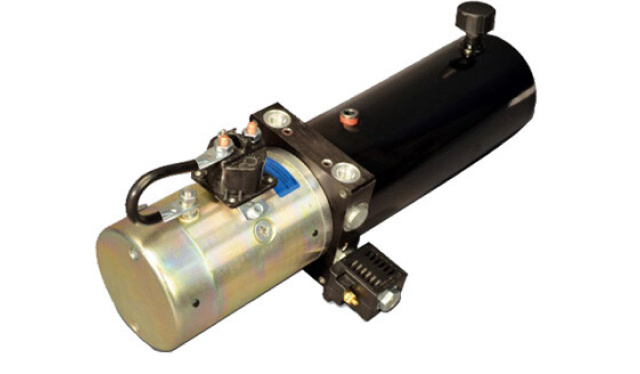
In congested offshore environments, portable 10,000 psi pumps paired with lightweight hose sets and low-profile wrench cassettes minimize trips and manual handling improving both safety and productivity. [Read more: Bolting in Confined Spaces at Height Oil & Gas Strategies]
Section 2: Power Generation — Outage Speed Without Compromise
In conventional and combined-cycle power plants, flange bolting reliability directly affects plant availability. Steam and feedwater systems operate at extreme pressures and temperatures that punish gaskets and bolts. Even a minor leak can trigger forced outages, secondary damage, or OSHA recordables.
The challenge
Many outages still rely on mixed fleets of manual torque wrenches, aging hydraulic tools, and tribal tightening practices that vary shift to shift. The result is unpredictable preload, rework during startup, and extended critical-path time.
The solution
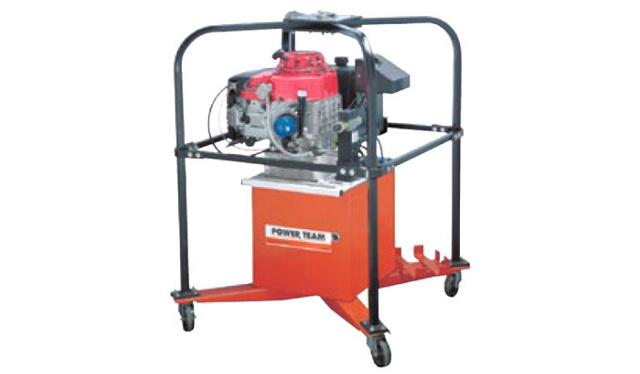
Bolting Systems low-profile cassette wrenches and square-drive torque tools paired with modern, lightweight pumps allow outage crews to reach congested turbine halls, boiler outlets, and HRSG modules quickly and safely. Field data shows hydraulic torque wrenches can cut flange assembly time by up to 50% compared to manual methods directly reducing outage duration.
For critical locations like main steam lines, turbine casing joints, and generator hydrogen coolers, Bolting Systems multi-stud tensioning systems simultaneously tension multiple studs reducing both preload variability and cycle time. Plants using multi-stud tensioning have reported shortening critical-path bolting tasks by up to 30%.
The full value is unlocked when hydraulic tools are paired with a standardized flange assembly procedure aligned with ASME PCC-1 covering flange face inspection, gasket verification, bolt condition, lubrication, and controlled cross-pattern tightening sequences. [Read more: Training Overview]
Section 3: Nuclear — Where Precision Is Non-Negotiable
In nuclear power, bolting is as much a regulatory and cultural issue as a technical one. Reactor coolant pressure boundaries, safety-related systems, and containment penetrations depend on joints that must perform flawlessly over long operating cycles and through demanding transients.
The regulatory framework
NUREG-2191's XI.M18 Bolting Integrity aging management program defines how closure bolting must be inspected, maintained, and replaced over plant life including periodic inspections, volumetric examinations, corrosion mitigation, and strict control of materials, lubricants, and assembly practices. For CANDU plants, CSA N285.0 provides parallel requirements for nuclear pressure-retaining components.
The solution
Bolting Systems multi-stud hydraulic tensioning systems are widely adopted for the most safety-significant nuclear joints reactor vessel head studs, pressurizer nozzles, steam generator manways, and high-energy piping. Stretching multiple studs simultaneously minimizes preload scatter to ±5% or better, reduces the risk of gasket damage, and shortens critical-path outage tasks.
Traceability is equally critical. Modern nuclear bolting programs are increasingly supported by digital flange management platforms that provide a single source of truth from joint identification and material traceability to torque/tension targets and completion status. When combined with calibrated Bolting Systems tools, these systems allow plant owners to prove that critical flanges were assembled by qualified personnel, using validated procedures, to specified preload targets. [Read more: Flange Management Software for Joint Integrity]
Ready to Upgrade Your Flange Bolting Program?
Whether you're managing offshore flanges in the North Sea, planning a turbine outage in Texas, or supporting a nuclear refueling in Ontario Bolting Systems by Hydraulic Technologies has the torque wrenches, tensioners, pumps, and expertise to deliver leak-free results.