






































Moving massive and heavy equipment is never simple, but when multiple planes of motion, confined spaces, or precision alignment are involved, the complexity seems to multiply. It can be hard to navigate the options for lifting, lowering, pushing, and pulling heavy equipment without spending excessive time, causing damage, or risking safety.
Here, we’ll look at a specific example that illustrates the challenges that arise with complex, multi-directional moving projects, and how an integrated approach to equipment and workflow is a smart solution.
A Heavy Lift Scenario: Replacing an Indoor Transformer
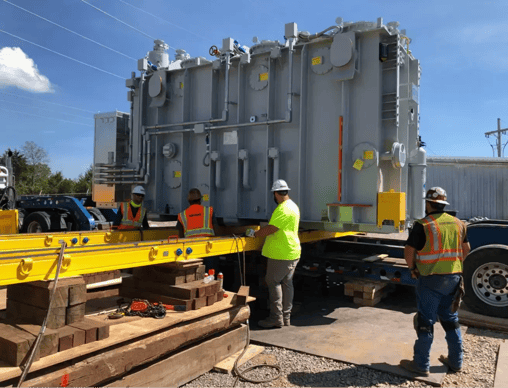
Imagine a factory, industrial facility, or small power station with an aging transformer located inside, far from the nearest exit. When the time comes to replace the transformer with a new one, the challenge is figuring out how to physically remove the old equipment, get it out of the building (passing through a narrow hallway en route), then bring the new one into the building and position it for installation.
Breaking the Move Down
This is a classic example of a compound move in which the load needs to move in multiple planes (i.e., vertical and horizontal) in a specific sequence:
- Lifting the old equipment off the pad.
- Moving it out of the space, through the hall, and to the facility exit.
- Bringing the new transformer inside.
- Moving it through the hall and to the pad.
- Lifting it on the pad for installation.

Vertical Movement: The Role of Hydraulic Lifting
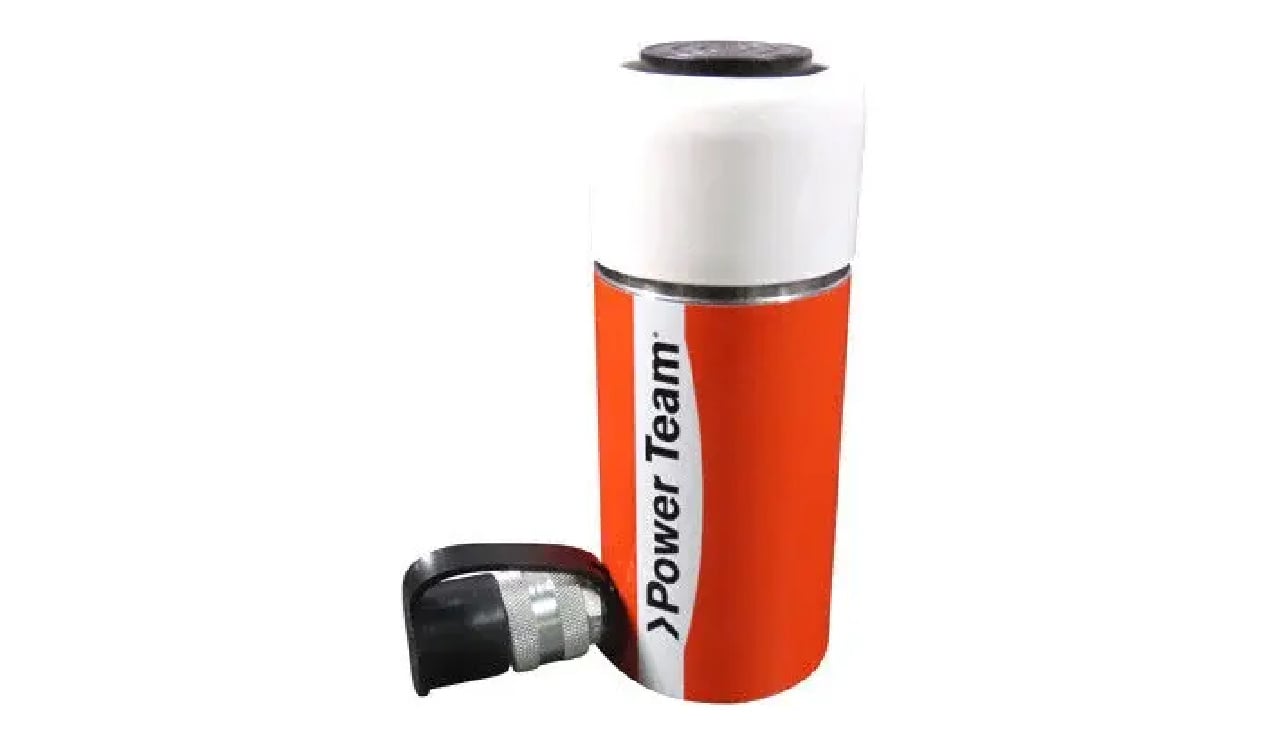
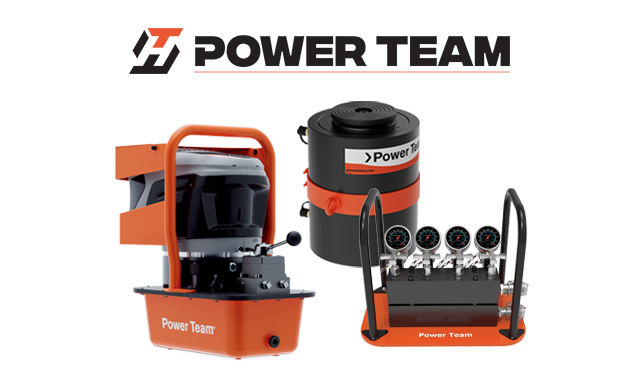
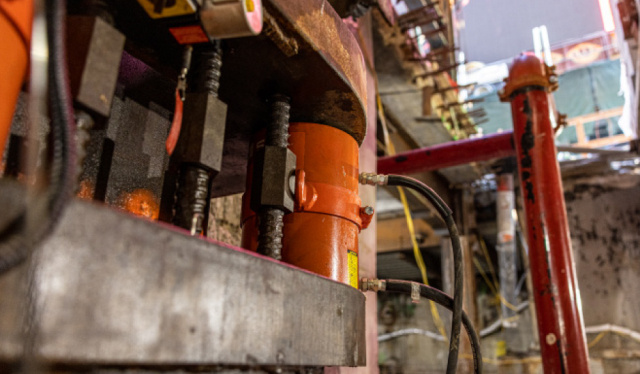
Hydraulic cylinders provide controlled force to raise and lower heavy loads like transformers. They can be used singly or in groups placed strategically around the load for improved balance. Cylinders are available in different stroke lengths (i.e., the distance they extend), diameters, and load capacities, which makes them flexible for different applications. Single-acting cylinders apply force to move in one direction, whereas double-acting ones apply force in both directions, for more control during lifting and lowering. Here, cylinders are used to lift the old transformer off its pad, lower it to the ground or to a skidding system, and raise the new transformer onto the pad gently.
Horizontal Movement: The Role of Hydraulic Skidding
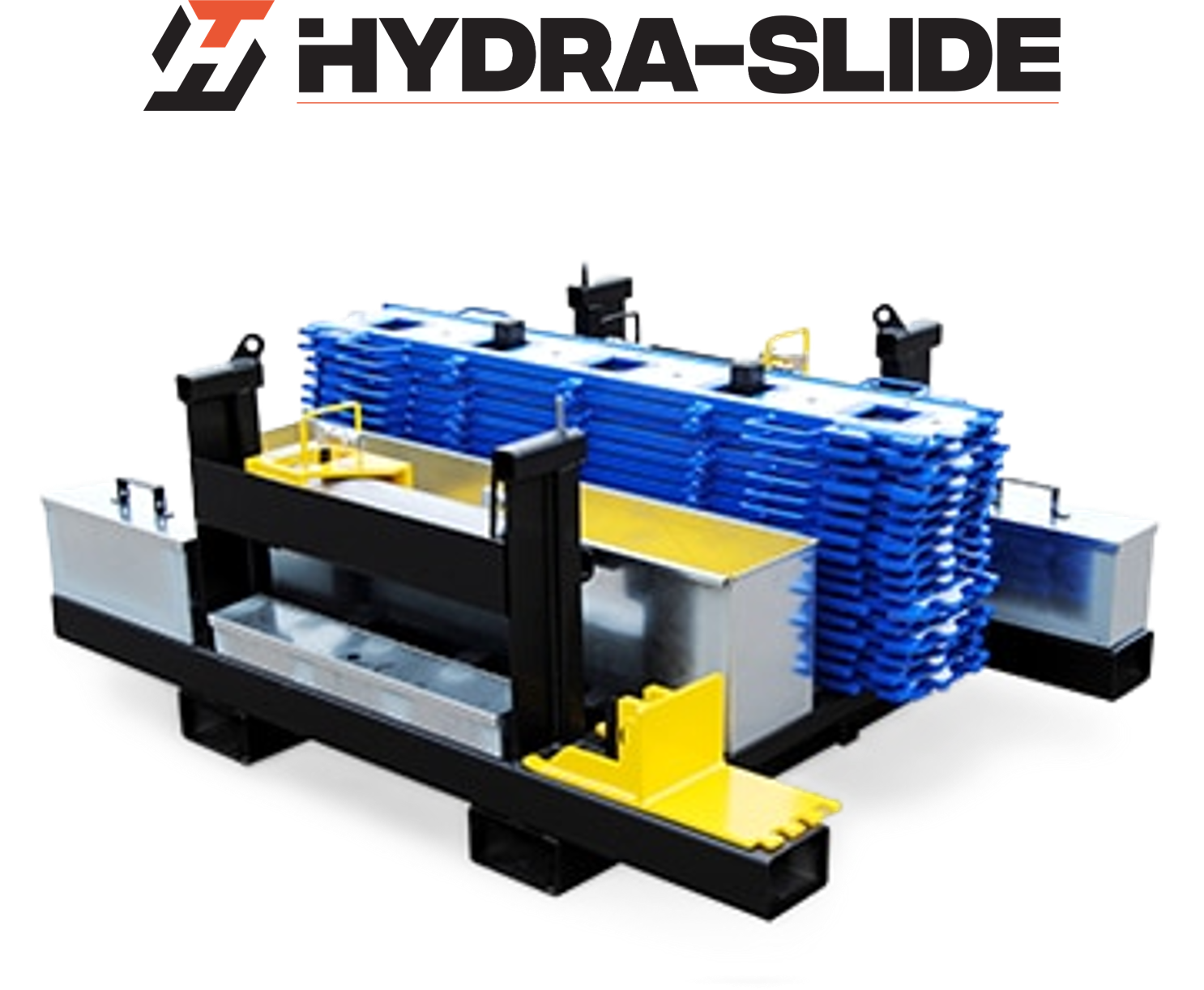
Hydraulic cylinders also drive horizontal movement to push and pull objects while they remain safely close to the ground. Hydra-Slide skid tracks create a controlled and stable path that guides the transformers through the narrow hall and across the facility safely. Synchronized cylinders create force that moves the transformer a predetermined distance with each stroke. The weight of the transformers creates downward friction, which eliminates the risk of runaway movement, keeping occupants and crew safe.
A Purpose-Built System Saves Time and Reduces Risk
In theory, there are several ways to accomplish these types of vertical and horizontal movement. But in reality, the options are limited. Not only does the transformer need to be replaced in a timely manner, there are operational and safety risks to avoid:
- Each transformer is bulky and heavy, so manual lifting, pushing, or pulling with straps or rollers is not safe.
- The transformers will be handled by different equipment for each plane (horizontally and vertically) at different points, so a smooth transfer between them is needed.
- The facility’s narrow hallway has little clearance space for managing and steering the load if it becomes crooked.
- A crane can’t be used indoors, and a suspension hoist risks the load swinging out of reach.
- The load will pass through occupied work areas, but rollers or skis risk runaway movement and require the crew to be very close to this heavy, dynamic load.
In addition to moving the transformers vertically and horizontally, the equipment is delicate and requires predictable patterns of motion, load stability, a planned path, and continuous load support to limit the risks of injury and costly equipment damage.
Move Smarter with Integrated Systems for Complex Jobs
If you’re relying on a collection of “close enough” jacks, cylinders, and rigging, or changing plans as the lift is underway, you could be leaving far too much room for error and damage. Unfortunately, it takes trial and error to come up with the right combination of tools, transition points, and workflow steps for a complex move. That adds time, labor, and costs you (and your customers) don’t have to spare.
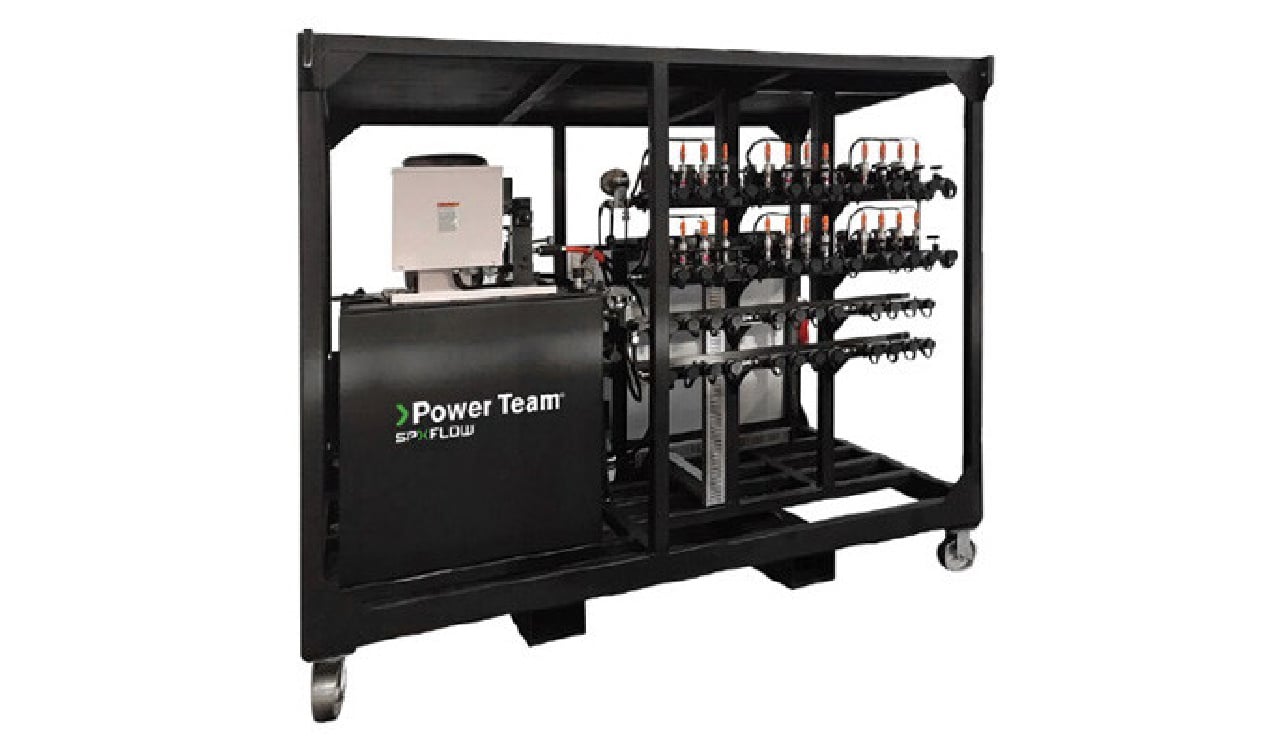
Instead, a pre-engineered Heavy Lift Solution system saves time and eliminates guesswork. It’s an end-to-end approach tailored to your specific application, including:
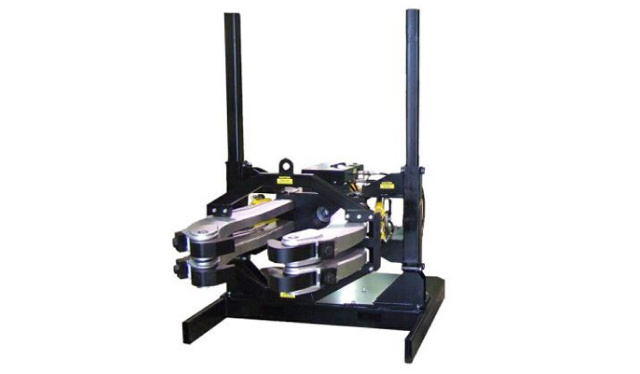
- Application-specific equipment such as low-profile Hydra-Slide skidding tracks, skid shoes, and synchronized cylinders for predictable push/pull motion, Power Team cylinders or an eSync system for precision lifting, track-integrated turntables for horizontal pivots, etc.
- A setup plan for each component and hydraulic system.
- A validated workflow of each stage of the move-in order.
- Planned transition points for transferring the load between jacks, cylinders, skids, etc.
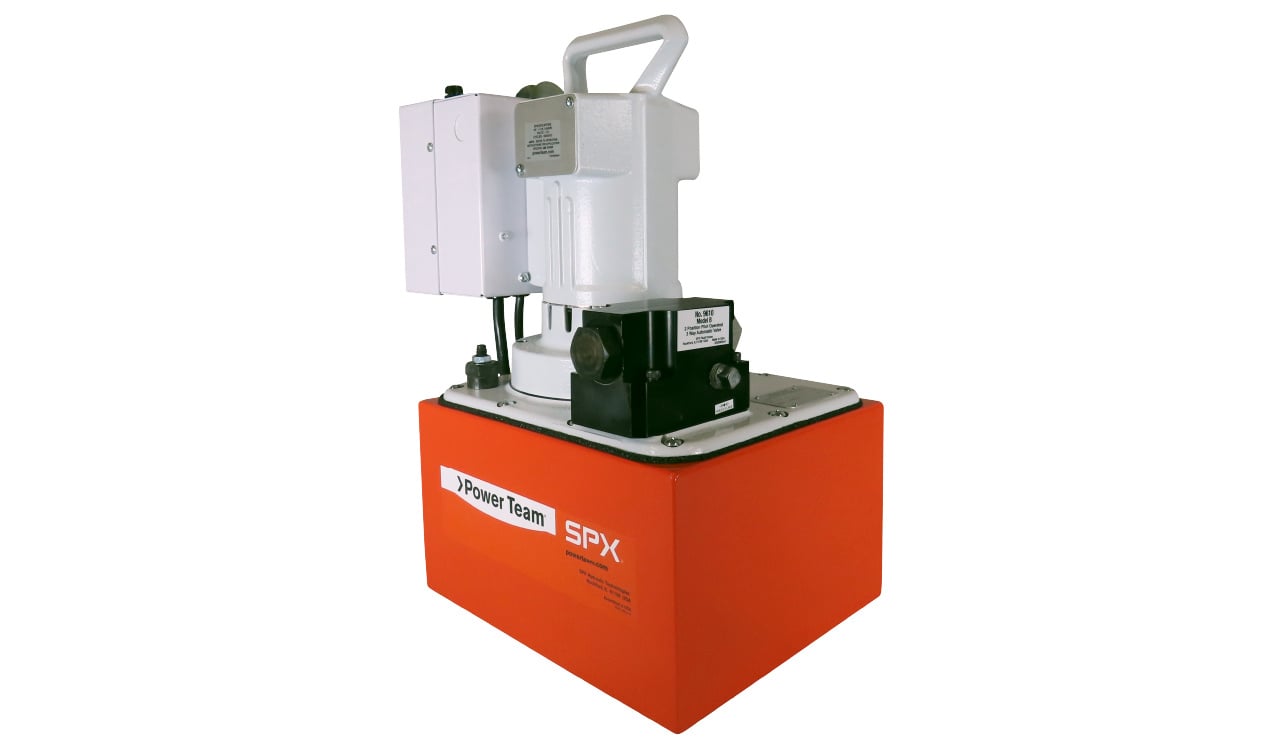
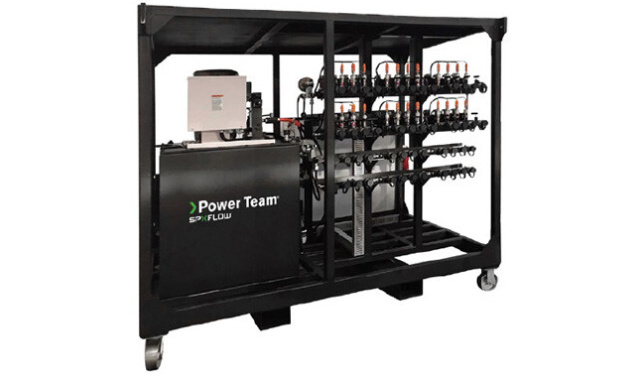
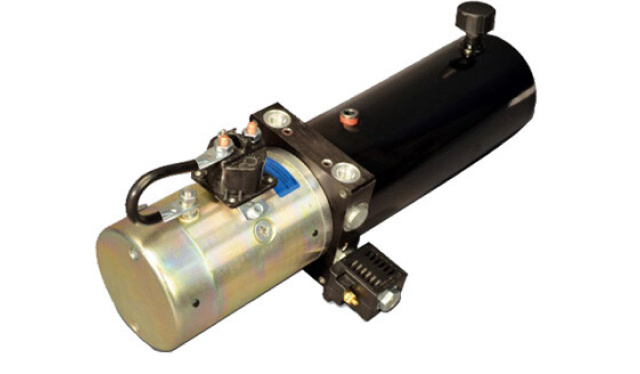
- The required hoses, pumps, manifolds, valves, and motion-control components.
With deep experience in hydraulic motion and heavy lift projects, our team can engineer an integrated plan, so your crew can set up faster and move any load with confidence.
Find the Right Solution for Your Application
Even if you’re not replacing transformers, you’ve probably experienced a complex, compound move scenario with unique challenges. Because no two lifts are identical, our Heavy Lift Solutions are built to meet the requirements of your specific application and are backed by our real-world experience with vertical and horizontal hydraulic motion.
If you’re ready to minimize damage and safety risks from using the wrong equipment or the wrong process, an integrated, custom system is the smart choice. Contact us to discuss your next heavy lift project!