












































The install problem hyperscale is quietly solving
A single AI ready modular data center module can weigh 35 to 60 tons. A hyperscale campus can require 20 to 200 of them dropped on a pad in a matter of weeks. Cranes cannot always reach. Foundations cannot always take point loads. And once the module is set, level tolerance across the coolant loop and fiber trays is measured in millimeters, not inches.
The install method that solves this is hydraulics. Synchronous jacking, controlled skidding, and precision leveling have replaced the crane and shim approach on most high density MDC sites. This article walks EPCs, rigging contractors, and MDC OEM operations teams through the equipment stack that gets it done, and what to spec.
Talk to an HT heavy lift specialist about your project.
Why Hydraulic Heavy Lifting is beating cranes for MDCs
Three reasons the industry is converging on hydraulic lift and skid systems.
-
Site access. Crane pads, boom radius, and tail swing do not work on tight urban colocation sites or built out hyperscale campuses with adjacent live halls. Hydraulic jacks and skid tracks stage inside the module footprint.
-
Load control. A crane holds a module in the air. A synchronized hydraulic jack set lowers it under closed loop control, with millimeter accuracy across four to twelve lift points. That eliminates twist, rack damage, and coolant loop misalignment.
-
Documentation. Insurance carriers, hyperscale QA teams, and MDC OEMs increasingly require load and stroke logs per lift point. Modern electronic control systems log every cycle for audit.
The HT equipment stack for modular datacenter installs
HT is the only supplier that carries the full lift, skid, and position portfolio under one roof: Power Team for jacking and pumping, Hydra-Slide for skidding, and Foxtrot for motorized precision positioning.
Synchronous Jacking
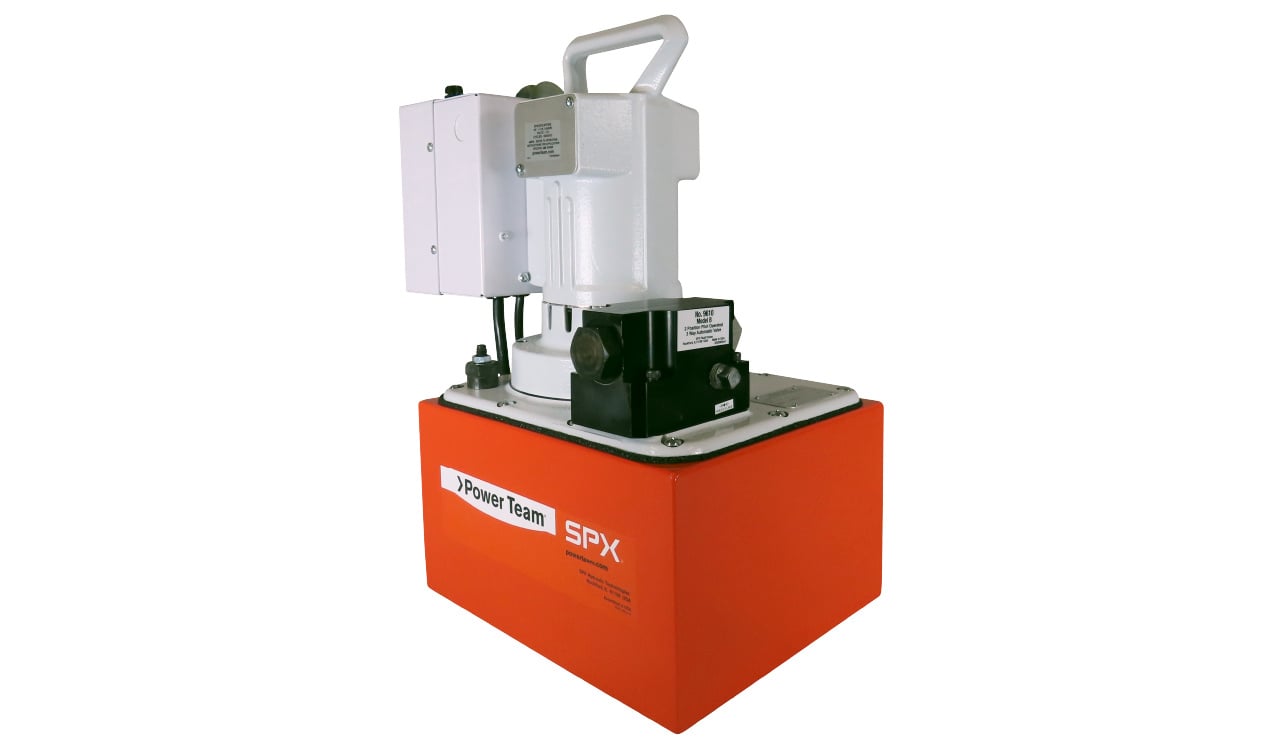
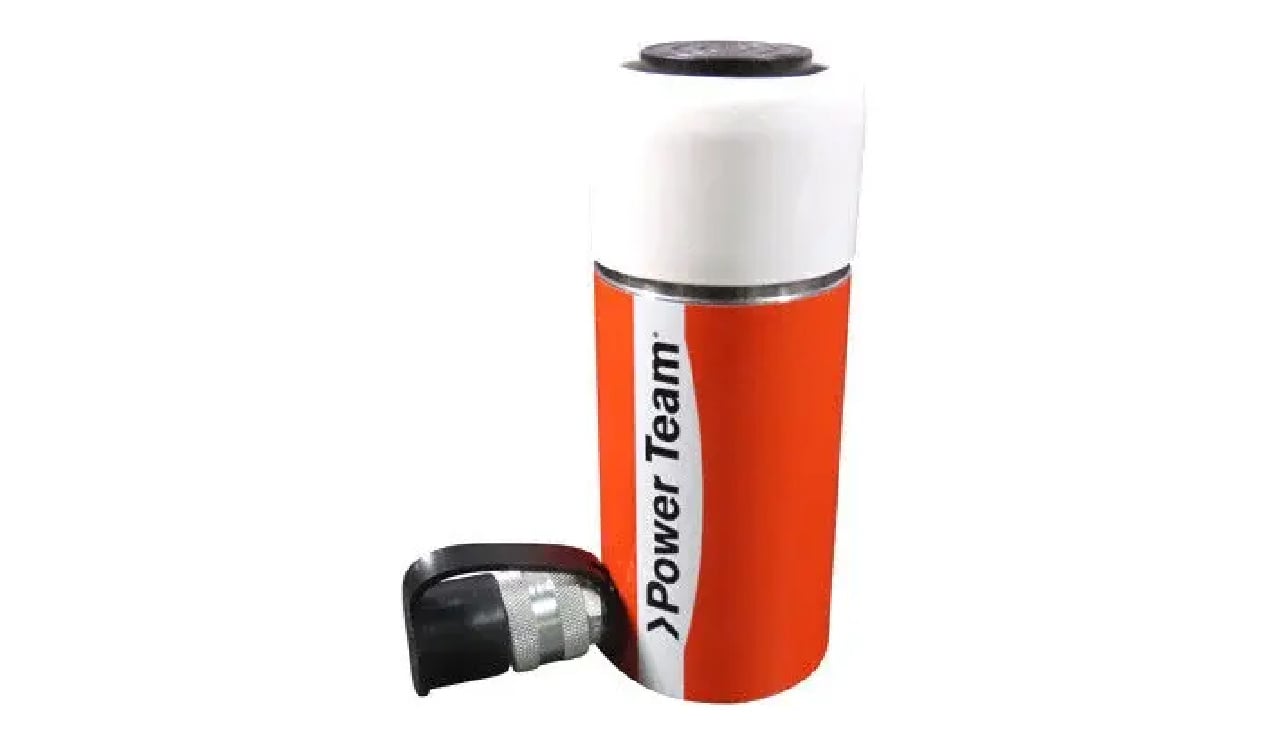
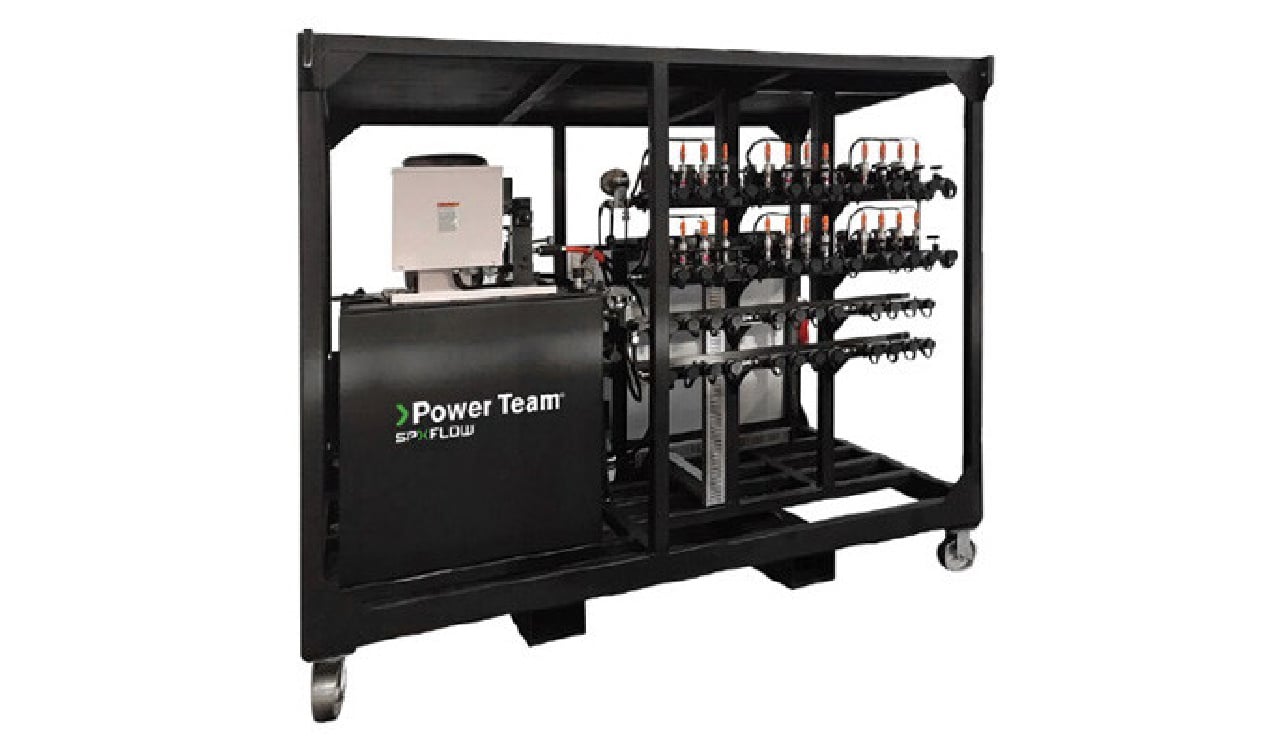
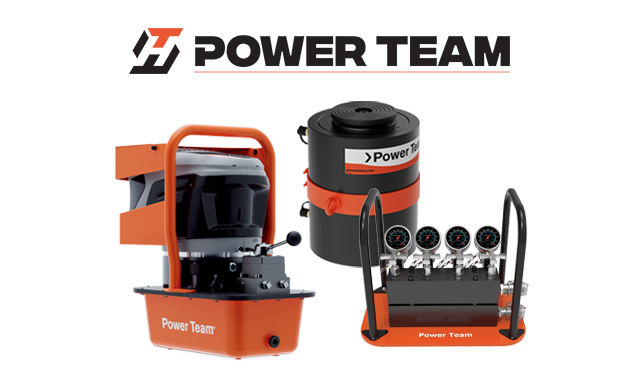
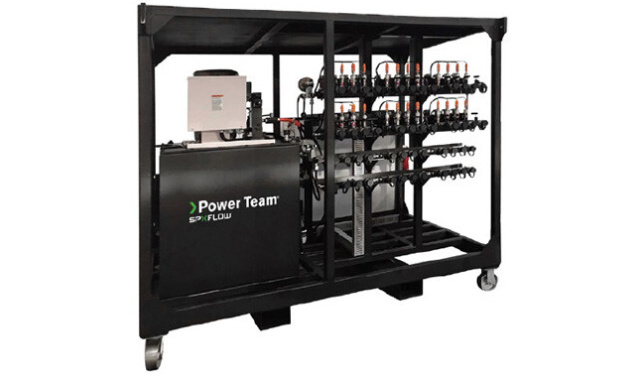
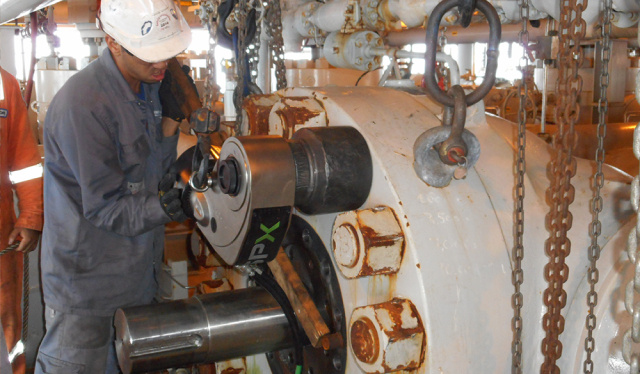
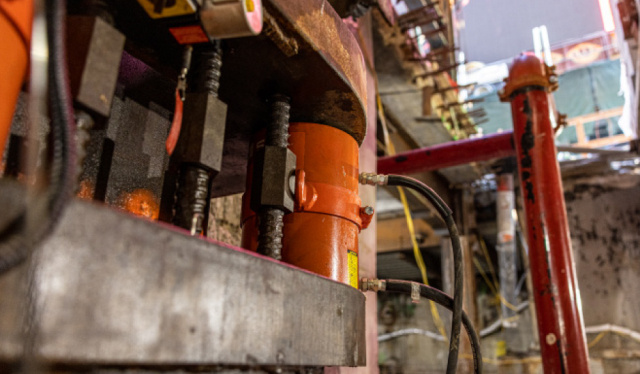
Power Team RLS series locking collar cylinders in 50-300 ton capacities provide mechanically locked lift points for long duration hold under a module. Paired with the eSync portable synchronous control system, crews can jack, level, and lower a module across up to 64-points from a single controller with load and stroke data logging. This is the industry replacement for the shim-and-pray method.
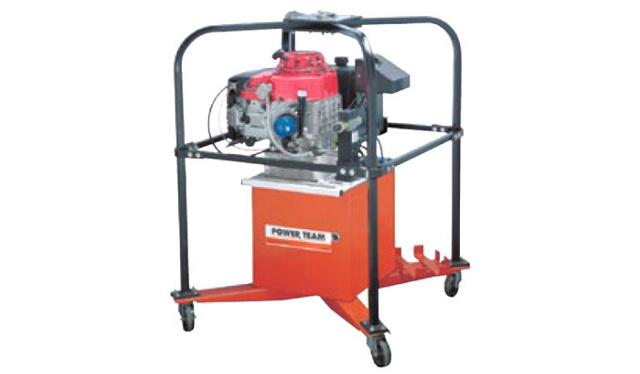
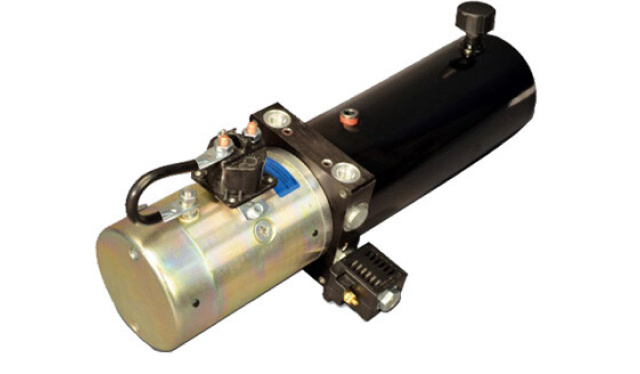
Suggested references: Power Team RLS100 or RLS300, IPE PE55 series 10,000 psi electric pumps, eSync controller.
Skidding
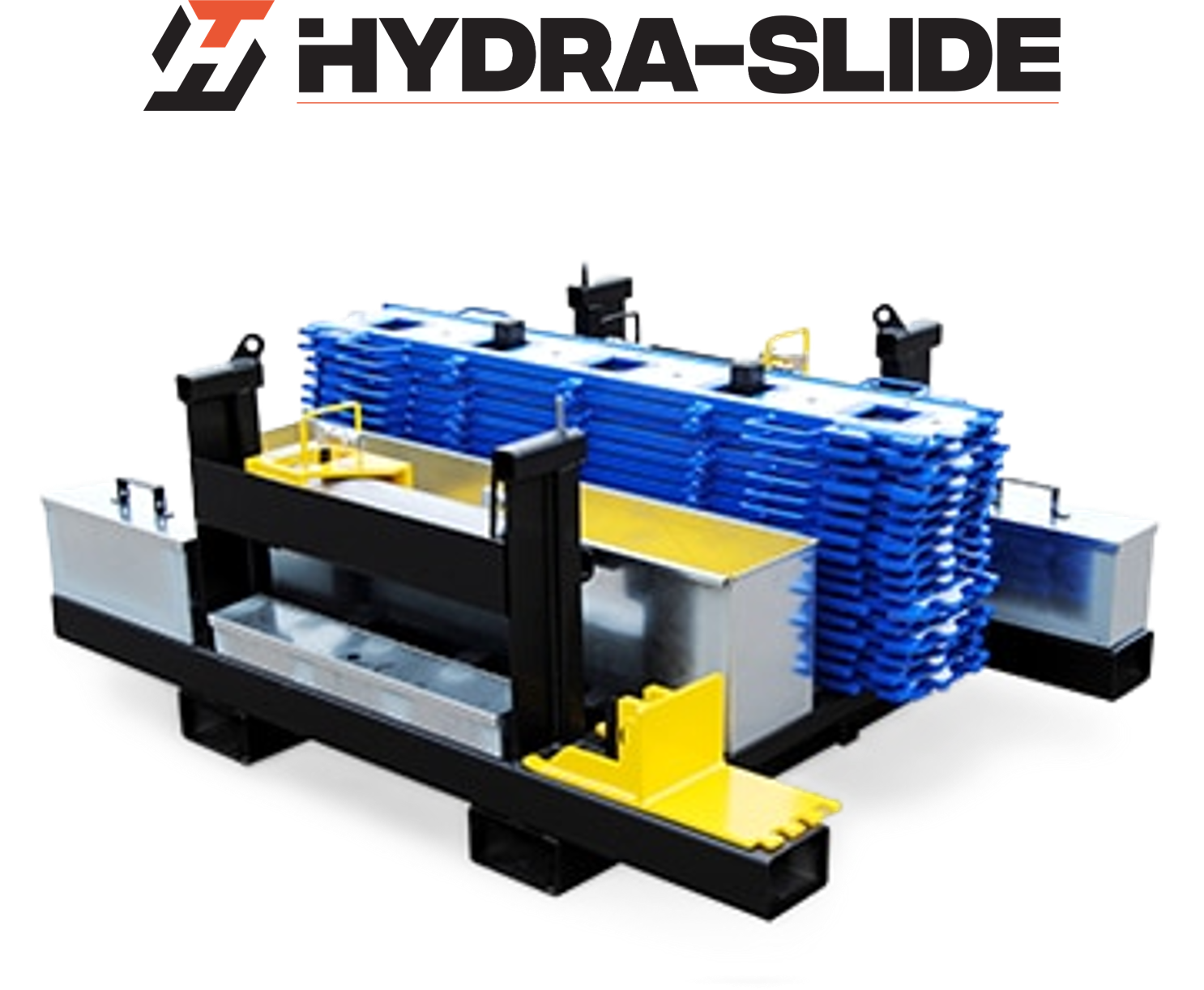
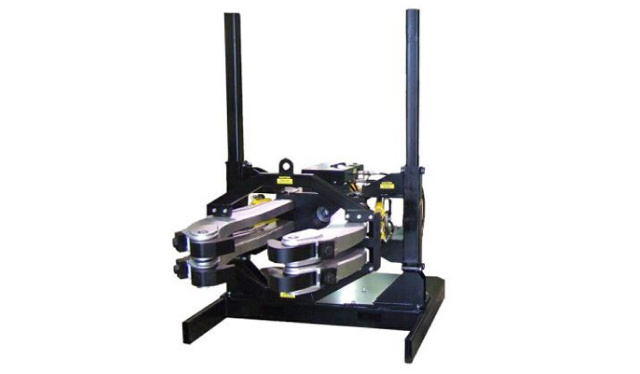
Once jacked, the module usually needs to move. Hydra-Slide HT300 and LP600 low profile skidding systems move loads from 300 to 600 tons per track set along a prepared skid path, with hydraulic push-pull cylinders under closed loop control. This is how modules are staged from delivery truck to final position without a mobile crane. Learn more by visiting Hydra-Slide.
Motorized Precision Positioning
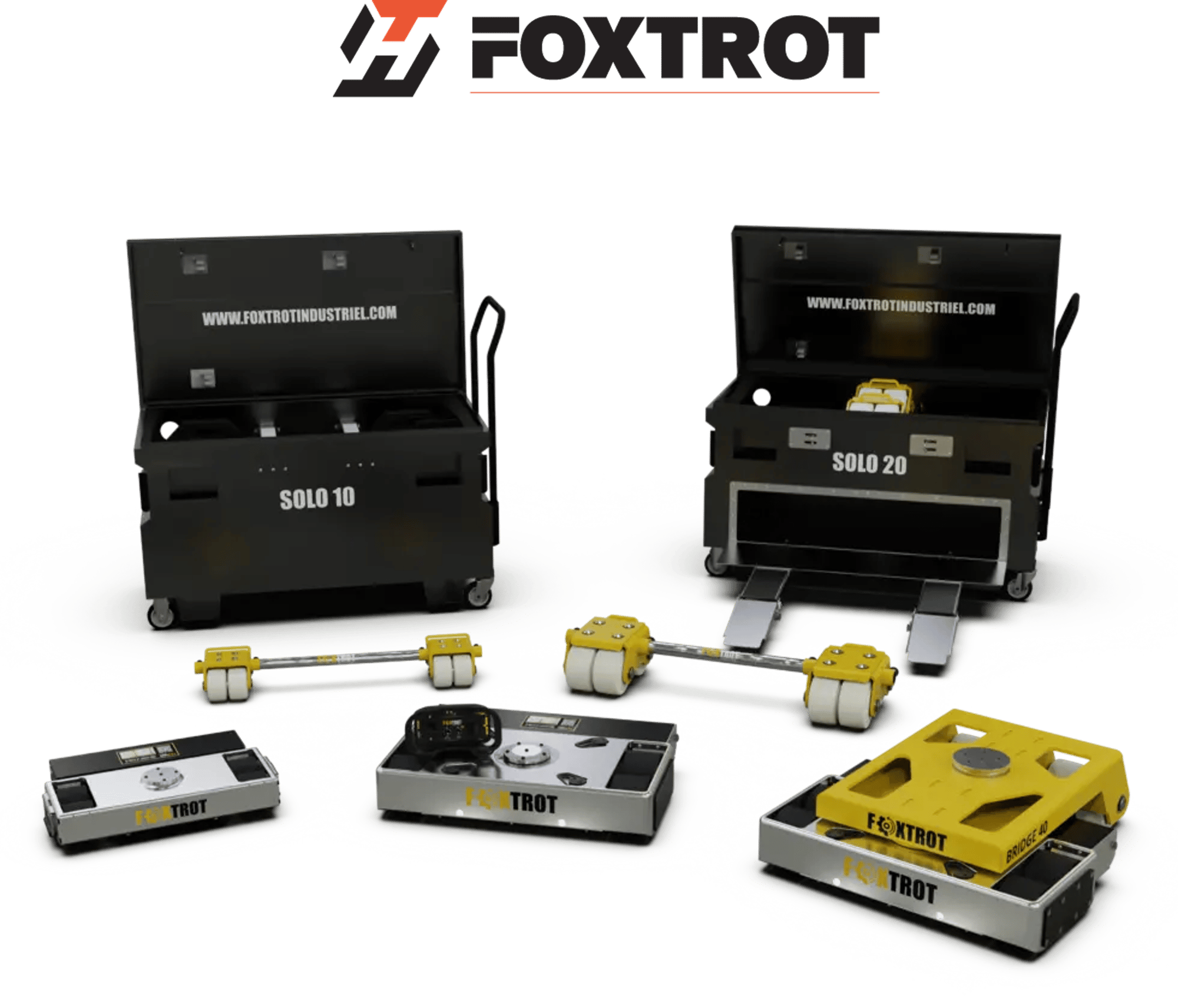
For the last few feet, Foxtrot robotized power skates that deliver millimeter accurate positioning under load in tight spaces allowing zero-degree turn radius, ideal for aligning coolant quick connects, bus duct, and fiber trays on the final set. Learn more about Foxtrot.
Leveling and Ancillary Equipment
Power Team low profile cylinders combined with eSync closed loop control hold level across the module footprint to within one millimeter, which is what the CDU and manifold flanges need to seat correctly on first fill. Bridge load spreaders, cribbing pads, calibrated hoses, and safety valves round out the kit. HT ships full lift and skid packages, not loose components.
Design considerations the field teaches you
- Jack point layout. Plan four to eight primary lift points at the module base rail, with a bearing plate spread that keeps concrete stress under 250 psi. Reinforce or embed steel plate at the jack pockets during pad pour, not after.
- Skid path. Design the skid track parallel to the module long axis, sized for the loaded track shoe rating with a two times safety factor. Confirm subbase compaction and drainage.
- Level tolerance. Coolant loop and bus duct manufacturers typically require 1 to 3 mm level across the module footprint. Torque limited manual jacks cannot hold this. Synchronous electronic control can.
- Coordination with rigging. The jacking, skidding, and rigging crews should be one team on one control platform. Split responsibility is where drops happen.
- Documentation. Require a lift log for every module. Power Team's eSync does this automatically.
Why HT
- One supplier for the full lift and position stack. Power Team, Hydra-Slide, and Foxtrot are all HT brands, which means one PO, one rep, one training program, and one service contract for the whole scope. That is unique in the market.
- eSync closed loop synchronous control with audit ready logging.
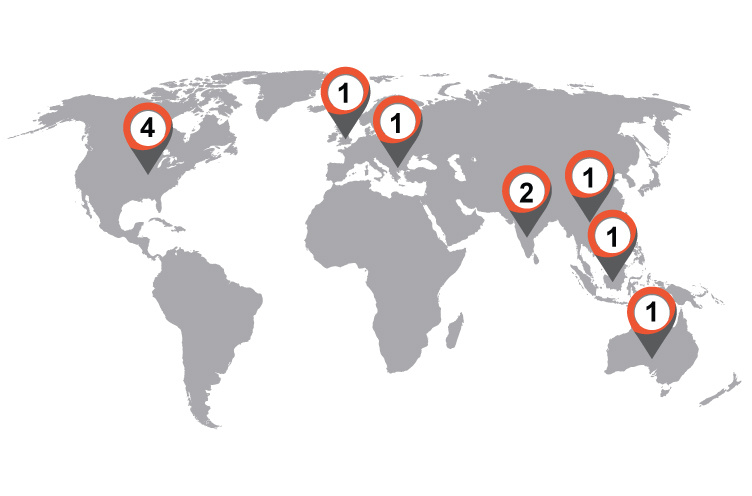
- North American manufacturing and a rental fleet accessible through Grainger, Motion Industries, Fastenal, BDI, and HT direct.
- Operator training and on-site commissioning support.
Ready to plan your MDC install
Three ways to move forward:
- Talk to a specialist. Book a 30-minute call with an HT heavy lift application engineer to size the jack and skid package for your module and pad.
- Get a quote. Send your module weight, quantity, pad drawing, and site constraints for a formal equipment and rental proposal.
- Find a distributor. Order Power Team, Hydra-Slide, and Foxtrot through your local HT partner.
Set it once. Level it right. Move it when you need to.

