



















































Why rental hydraulic pumps need a structured inspection schedule
A rental hydraulic pump maintenance schedule is a documented plan of checks and service intervals that keeps high-pressure pumps safe, reliable, and ready for the next contractor. It groups daily, monthly, quarterly, and annual tasks so nothing is missed, even when equipment moves between many operators.
Construction rental pumps see heavier and less predictable use than owned equipment. One pump may work on a bridge lift this week and a foundation project next week, with different operators and handling practices. Without a clear schedule, critical checks get skipped, and small issues—such as contaminated fluid or a damaged hose—turn into failures on the jobsite.
Industry experience shows that fluid contamination contributes to a large majority of hydraulic failures. Studies and field data quoted across hydraulic maintenance guides indicate that contamination is involved in up to 80% of system breakdowns. This means inspection programs must prioritize fluid, filtration, and cleanliness. A structured schedule also supports safety policies and helps demonstrate due diligence to customers.
For example, Hydraulic Technologies recommends regular fluid analysis and inspection at each rental return to detect contamination early, as outlined in its preventive maintenance guidance for hydraulic tools at Hydraulic Technologies. Applying that discipline to rental pumps reduces downtime and helps protect both people and equipment.
Core inspection intervals for busy rental fleets
A practical rental hydraulic pump inspection schedule divides work into four levels: quick checks at every rental return, deeper monthly tests, quarterly performance verification, and annual safety validation. Each tier builds on the previous one so that developing problems are caught before they affect a contractor.
At every rental return, technicians should perform a visual inspection of hoses, fittings, couplings, reservoir, and overall cleanliness, and check hydraulic fluid level and condition. Any milky fluid, visible particles, or hose damage is a fail. This mirrors the ten-check approach used in many high-pressure pump programs, where hoses, couplings, and reservoirs are inspected at each turnaround.
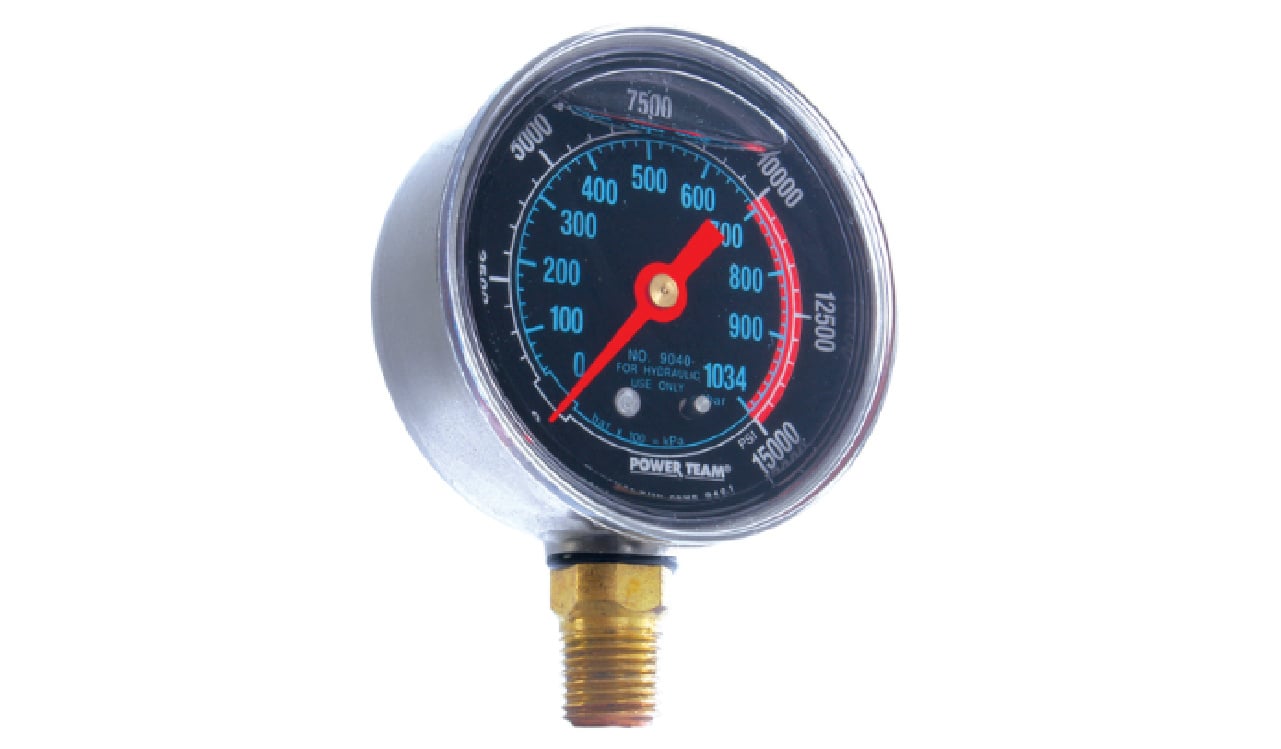
Monthly, active rental units should be pressure-tested against rated specifications. Using a calibrated gauge, confirm that the pump reaches at least 95 percent of its rated maximum pressure. Units that fall below this threshold should be removed from service for internal inspection and repair. This type of monthly pressure verification is highlighted in both OEM guidance and fleet maintenance checklists, such as the structured hydraulic inspection programs described by Oxmaint at Oxmaint.
Quarterly, pumps with high utilization should undergo flow rate measurement. Using a flow meter at normal operating temperature, verify that both high-volume and high-pressure stages deliver at least 90 percent of rated flow. Annually, or after any suspected overpressure event, relief valve calibration should be checked to ensure activation within ±5 percent of the specified setting.
How to standardize pass/fail checks across your fleet
A strong rental hydraulic pump maintenance checklist uses clear pass/fail criteria, so different technicians make the same decision when inspecting the same pump. This removes subjectivity and makes it easier to train new staff and scale best practices across multiple branches.
Start by converting your existing procedures into simple check items with objective standards. For hydraulic fluid, define an acceptable appearance, such as clear amber to light golden, and specify that any milky color, dark oxidation, or visible metallic particles result in failure and mandatory fluid change before the pump returns to service. For filters, document replacement intervals, for example every 500 hours of heavy-duty operation or when restriction indicators show a problem.
For hoses, define damage categories that trigger replacement: cuts through the outer cover, exposed reinforcement, bulges, kinks, or age cracking in the rubber. Any visible leak at fittings or quick-connect couplers should be recorded as a fail. Pumps that cannot meet minimum pressure or flow thresholds—such as 95 percent of rated pressure and 90 percent of rated flow—are also failed.
These criteria can be printed on paper checklists attached to work orders or built into digital inspection templates in a maintenance system. Some fleet-oriented software platforms allow you to require a pass/fail selection for each line item and prevent closing the inspection until all failures have associated corrective actions. This helps ensure that no unsafe pump is accidentally returned to a contractor.
Training counter staff and technicians on early warning signs
Even with a structured schedule, many problems first appear as subtle changes in noise, temperature, or cycle time during operation. Training counter staff and shop technicians to recognize early warning signs of hydraulic pump failure lets you pull units from circulation before a critical job is affected.
Key indicators include increased operating noise, such as rattling or knocking that suggests cavitation or air in the system; excessive heat on the reservoir or housing compared to normal operation; and slow cylinder extension or retraction caused by reduced flow. Technicians should also watch for pressure fluctuations on gauges during steady operation, which can indicate internal bypass or valve problems.
Rental operators can support this process by performing basic pre-use checks: confirming fluid level, scanning for visible leaks, and reporting any unusual behavior immediately. Counter staff can reinforce this at pickup by giving quick instructions on what to watch for and how to contact the branch if issues arise. This type of shared vigilance mirrors best practices from preventive maintenance programs used by hydraulic equipment manufacturers.
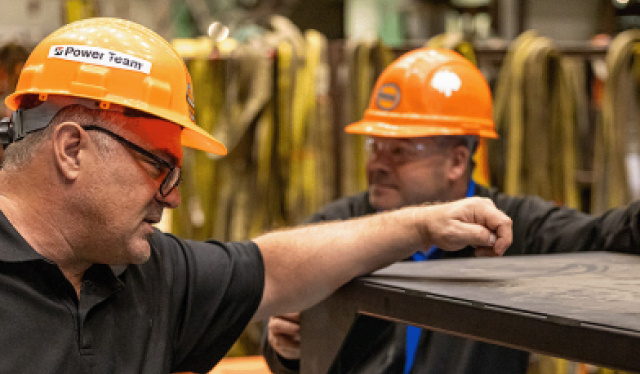
Consider short, focused training sessions that walk technicians through real examples of failure modes, using returned pumps that show hose abrasion, contaminated fluid, or damaged couplings. This makes the concepts concrete and builds confidence in making pass/fail decisions aligned with your written criteria.
Using maintenance records to predict failures and plan downtime
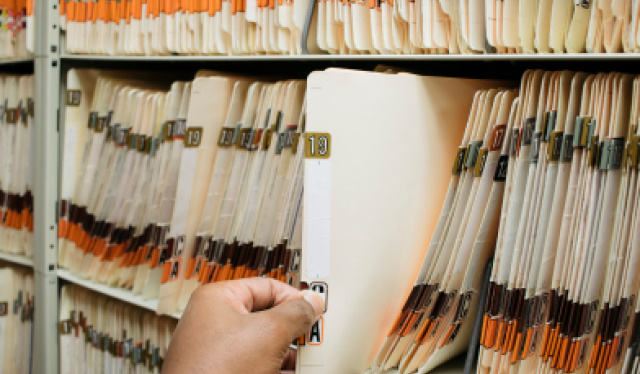
For rental operations, hydraulic pump maintenance records are more than compliance paperwork. When captured consistently, they reveal patterns that help predict failures, schedule downtime, and optimize fleet size and mix. This is especially valuable when pumps circulate through many jobsites and operating conditions.
Each inspection should record the date, operating hours, technician, findings, and any corrective actions, including parts replaced and fluid changes. Over time, this data highlights pumps that require frequent hose replacements, recurring leaks at specific fittings, or repeated low-pressure findings. Those units may need deeper investigation, redesign of hose routing, or retirement from the fleet.
By analyzing inspection histories, fleet managers can estimate component life, such as average hours between filter changes or typical service life of high-pressure hoses in demanding applications. This allows stocking of the right spare parts and planning of proactive replacements during slower periods, reducing the risk of failures during peak demand.
Some maintenance platforms can automatically generate work orders based on inspection results or operating hours. Combining structured schedules with digital records, similar to the programs described in fleet hydraulic inspection case studies, supports continuous improvement and provides documentation for audits and customer discussions.
Choosing hydraulic pumps engineered for rental reliability
The effectiveness of any rental hydraulic pump maintenance program depends partly on the equipment itself. Pumps designed for high-pressure, multi-operator environments tend to respond better to preventive maintenance and deliver longer, more predictable service life.
When evaluating pumps for your rental fleet, look for rugged construction, protective coatings, and components rated for the pressures and duty cycles common in construction work. Modular designs with accessible components simplify field service and reduce turnaround time between rentals. Clear manufacturer guidance on inspection intervals, fluid specifications, and troubleshooting is also important.
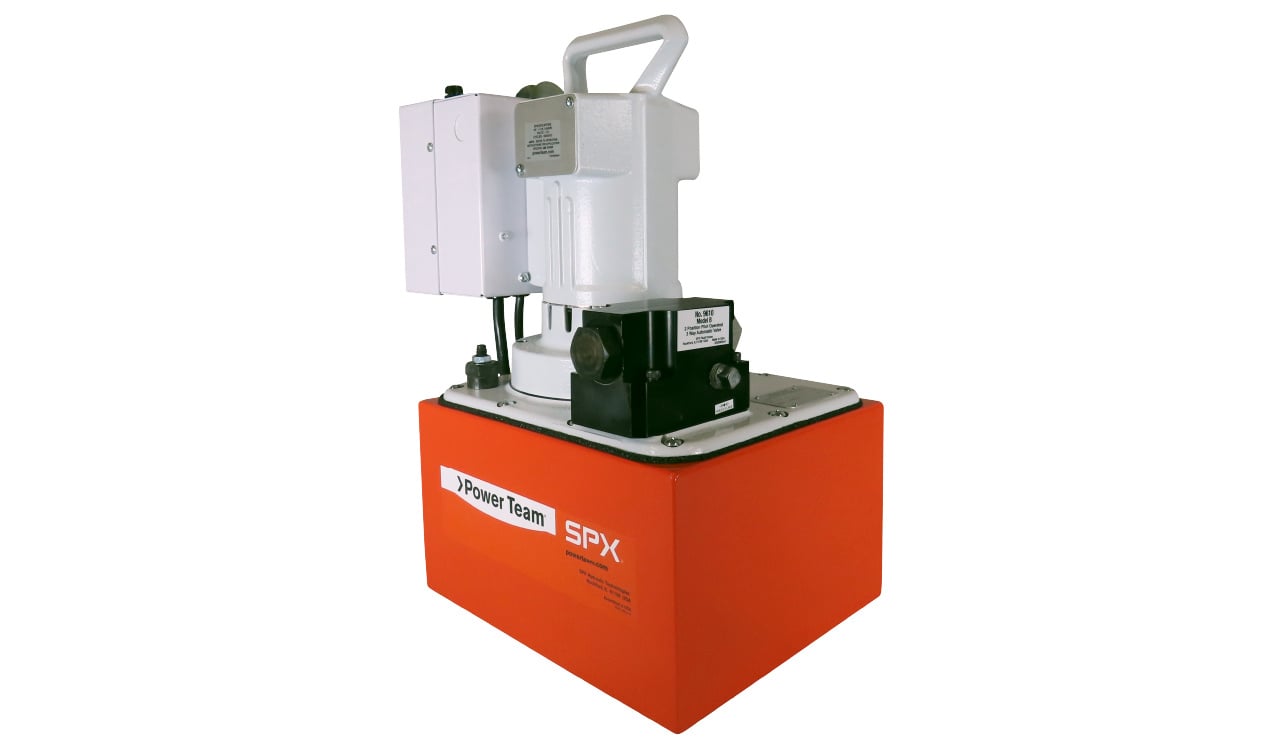
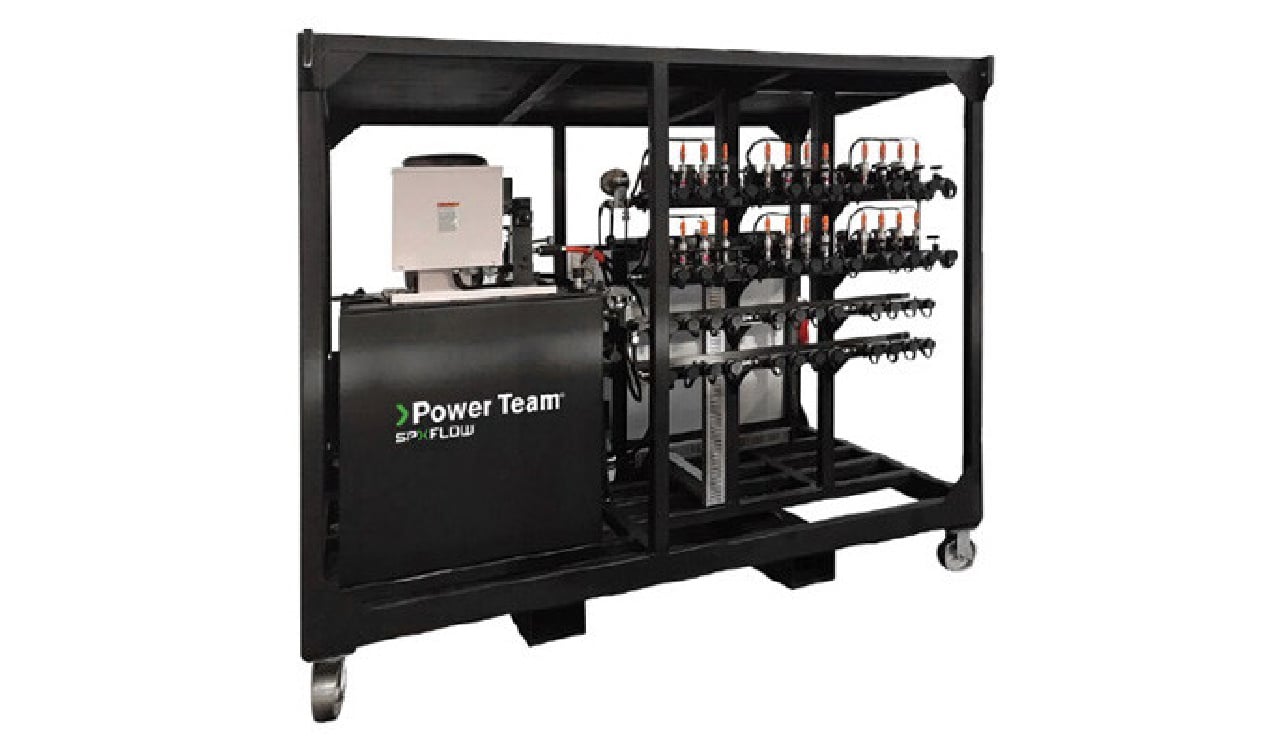
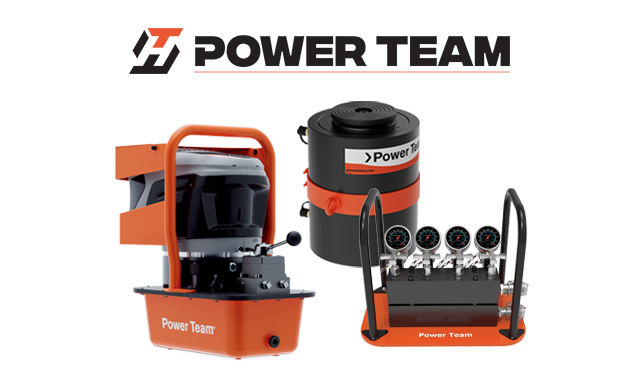
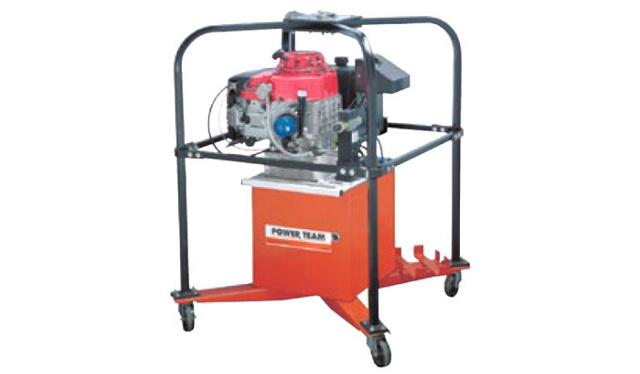
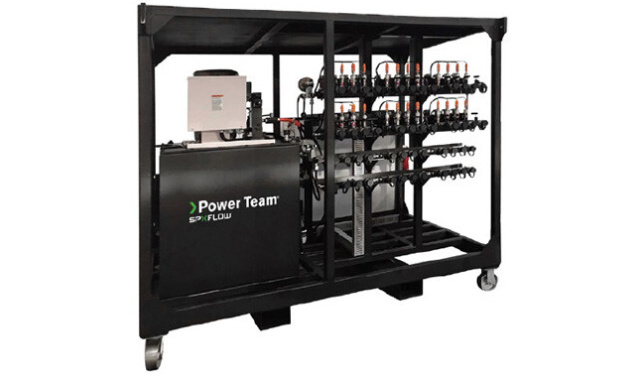
Leading manufacturers, such as Hydraulic Technologies through its Power Team product line, publish preventive maintenance guides and support materials that rental fleets can adapt into their own schedules. These resources, combined with available training on safe hydraulic operation, help rental managers structure programs that reduce downtime and strengthen contractor confidence.
By aligning equipment selection, structured inspection intervals, standardized pass/fail criteria, staff training, and accurate records, rental operations can turn hydraulic pump maintenance from a reactive cost into a predictable, managed process that supports both safety and profitability.
