




























































Manually Opening Thrust Reversers on an Airplane Using Power Team’s Hydraulic Hand Pumps
Overview
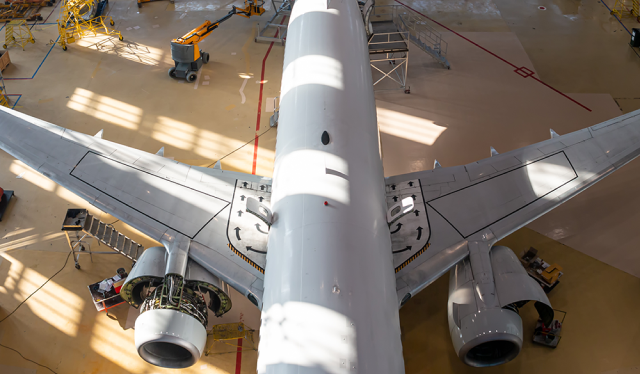
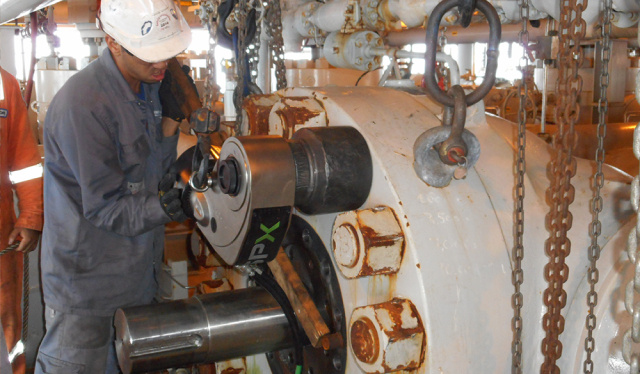
Aircraft thrust reversers must be manually opened during maintenance and inspection procedures. Using pumps supplied by the aircraft manufacturer made this process lengthy and physically demanding. A Power Team hydraulic hand pump solution was implemented to improve speed, control, and operator ergonomics while maintaining required pressure limits.
The Challenge
Solution Presented
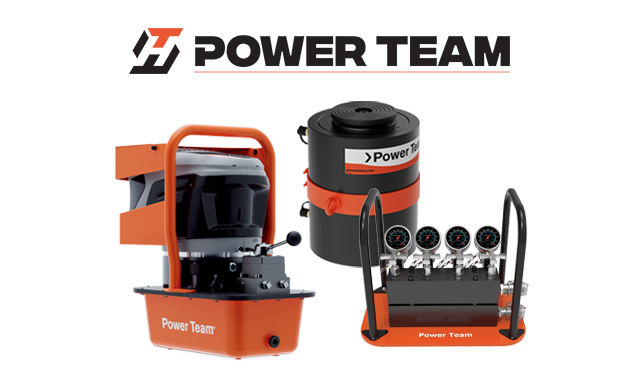
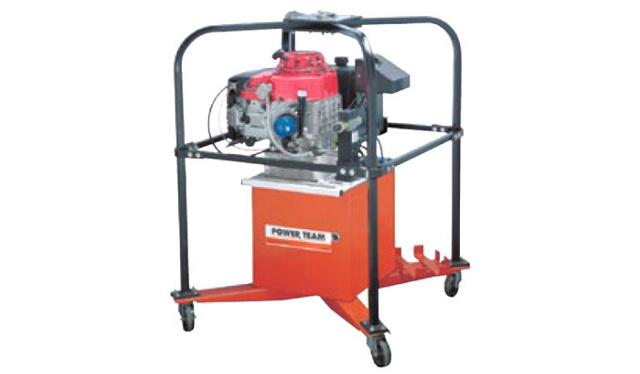
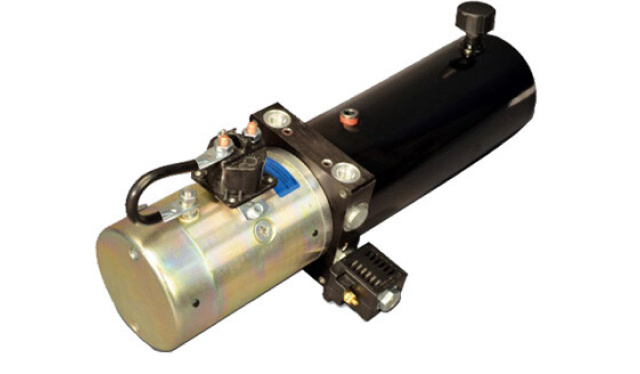
The customer selected the Power Team P157 two-speed hydraulic hand pump to manually open the thrust reversers. P157 rapidly advanced the actuating rams at approximately 1400 psi using high oil volume, then automatically shifts to high-pressure, low-volume operation for controlled movement. An integrated safety relief valve prevented pressure from exceeding 10,000 psi, protecting aircraft components during maintenance operations.
Results
Other Applications
Key Metrics
Performance Metrics & Key Achievements
35% 1
Faster Opening Time
50% 2
Less Handle Effort
Consistent Hydraulic Control
Reduced Technician Fatigue
Related Projects in Construction
Ready to Get Started?
Connect with our team and find the right hydraulic solution for your application.
1. Estimated versus single-speed hand pumps previously supplied by the aircraft manufacturer; not a measured result for this unit.
2. Estimated from the P157's two-speed design versus single-speed pumps on comparable aircraft maintenance tasks; not measured.
Contact Our Team
Fill out the form below and our engineering team will get back to you within 24 hours.
- 1
- 2